
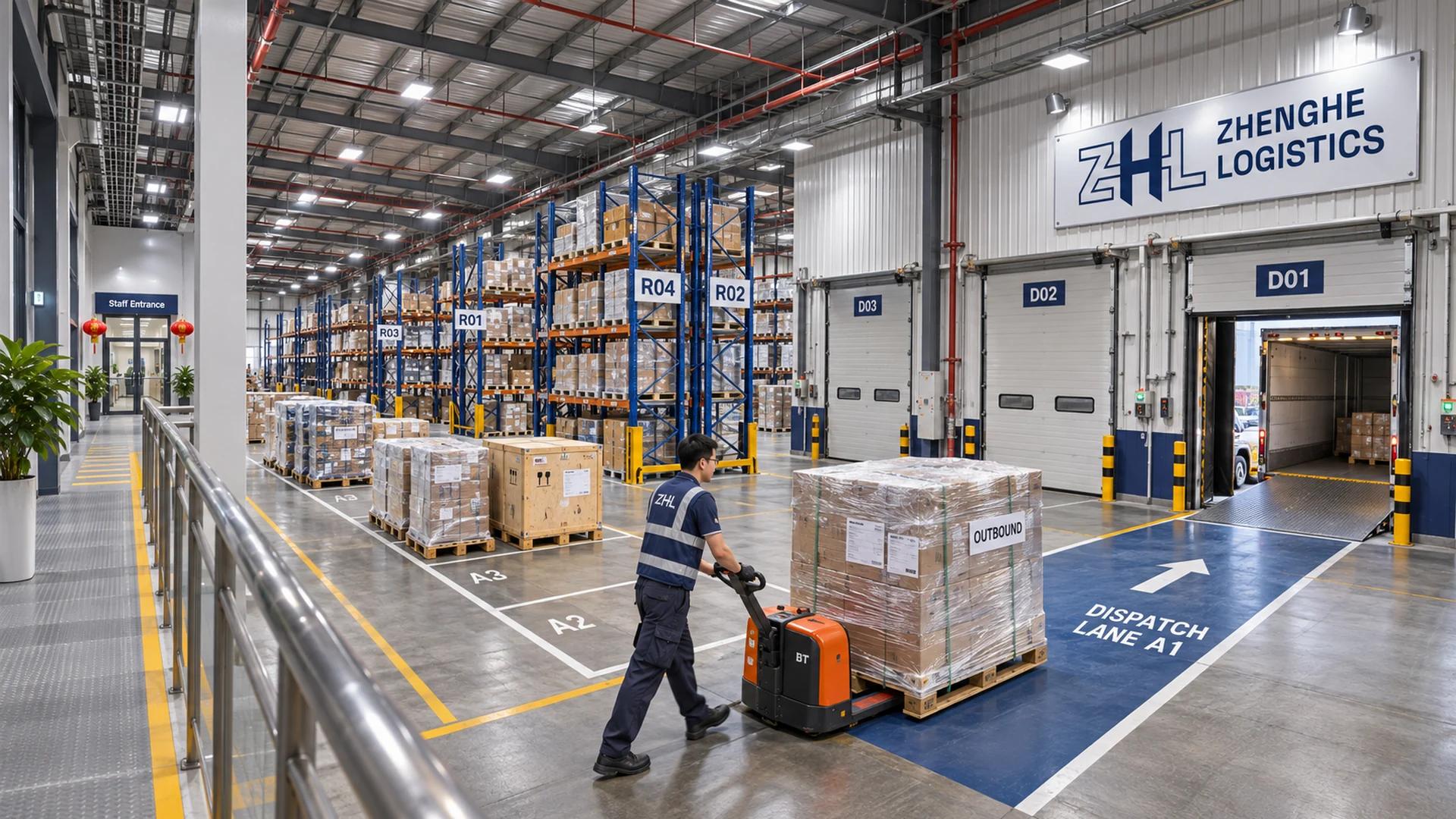
Chinese New Year 2027 falls on 6 February 2027, but businesses moving cargo across Asia should start thinking about their freight plans well before February.
The weeks before Chinese New Year typically bring a rush to move goods before factory closures, reduced staffing and holiday slowdowns. Freightos' historical shipment-search data shows that planning activity can accelerate sharply in the weeks leading up to the holiday. For 2027, Freightos identifies 9 to 16 January as an important pre-holiday planning window, with pressure expected to increase further after 17 January.
For businesses working with a freight forwarder in Singapore, the takeaway is simple: do not wait for the final carrier cutoff before booking.
Early preparation gives your freight team more time to check space, documentation, routing and alternative options if your preferred sailing or flight fills up.
Why Should You Book Freight Early Before Chinese New Year?
Because available freight capacity can become harder to secure as businesses rush to move cargo before the holiday.
Factories and suppliers across China often begin reducing activity before Chinese New Year itself, while exporters try to complete shipments before workers leave for the holiday.
Freightos expects production to begin slowing in early January 2027, with the export rush building around mid-January and more limited operating capacity toward late January and early February.
That can create pressure on:
- Vessel space
- Air cargo capacity
- Container availability
- Warehouse receiving slots
- Trucking arrangements
- Documentation teams
- Carrier cutoffs
Booking earlier does not guarantee that a shipment will never face disruption.
It does give your freight forwarding service in Singapore more room to review the available options before capacity becomes more constrained.
When Should Businesses Start Planning for Chinese New Year 2027?
Businesses should begin reviewing January and early-February shipments several weeks before the holiday rather than waiting until cargo is ready.
There is no universal booking deadline because the correct timing depends on:
- Origin
- Destination
- Sea or air freight
- Carrier
- Sailing or flight frequency
- Cargo-ready date
- Commodity
- Documentation
- Space availability
For 2027, Freightos expects freight planning pressure to build through January, particularly from 9 January onward.
A practical approach is to identify your pre-CNY shipments early and discuss them with your freight forwarder before the peak booking rush begins.
This is especially important if:
- You have fixed customer deadlines
- Your supplier will close early
- Cargo needs special handling
- You require several containers
- You are moving dangerous goods
- Your cargo has regulatory requirements
- Your destination has limited service frequency
Do not treat Chinese New Year Day itself as your planning deadline.
By then, many of the operational decisions affecting your shipment may already have been made.

What Is a Freight Cut-Off?
A freight cut-off is the deadline by which cargo, documents or booking requirements must be completed for a planned sailing or flight.
For sea freight, businesses may encounter several different cutoffs.
These can include:
- Booking cutoff
- Container gate-in cutoff
- Cargo cutoff
- CFS cutoff for LCL
- Documentation cutoff
- Verified Gross Mass requirements for applicable containers
Air freight has its own cargo acceptance and airline cutoffs.
Missing one deadline can mean the cargo does not move on the intended departure.
Zhenghe Logistics specifically reviews routing, documents and cutoffs before committing a freight booking. Its current sea freight service covers FCL, LCL and consolidation, while its air freight service includes express and economy uplift through Singapore Changi.
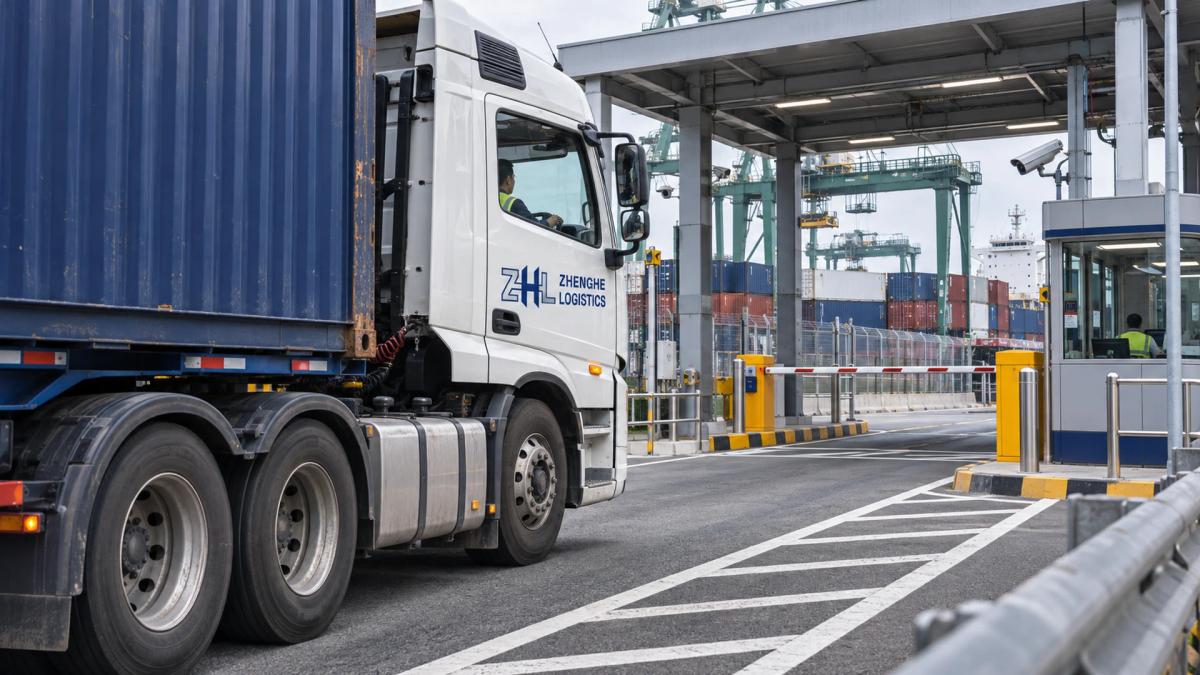
How Can You Avoid Missing a Chinese New Year Cut-Off?
Set an internal deadline earlier than the carrier's actual cutoff.
Do not plan for your cargo to arrive at the warehouse or terminal at the last possible moment.
Build in time for:
- Final packing
- Cargo measurements
- Supplier handover
- Collection
- Warehouse receiving
- Customs documentation
- Permit checks
- Bill of Lading or Air Waybill instructions
- Carrier acceptance
- Unexpected corrections
For example, if a carrier gives you a final cargo cutoff, your company's own cargo-ready target should normally be earlier.
That buffer matters even more before Chinese New Year, when a missed departure may be harder to recover from because the following sailing or flight may also be heavily booked.
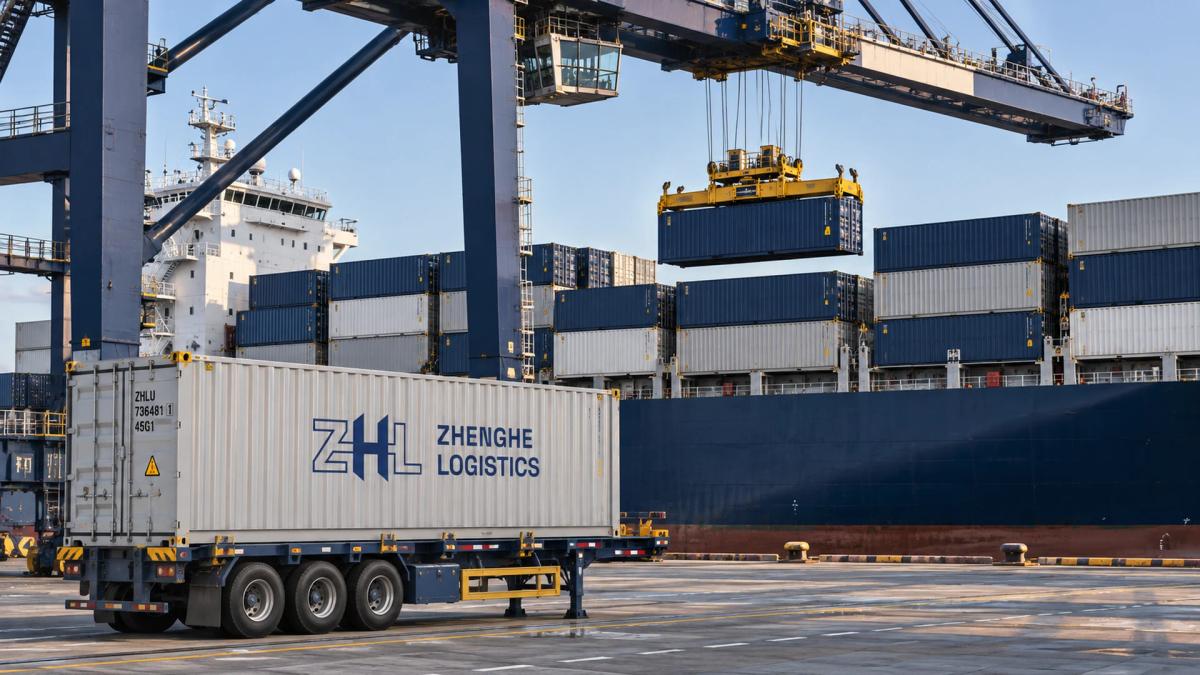
Will Sea Freight Capacity Become Tight Before CNY?
It can, particularly as exporters compete for departures before holiday slowdowns.
The impact will not be identical on every trade lane.
The wider ocean market going into 2027 has more capacity in some areas, but DHL notes that additional capacity does not automatically translate into reliable or usable space on every route. Congestion remains an issue, demand varies by trade, and rates are behaving differently across lanes.
This is why businesses should avoid assuming that:
“There are plenty of vessels, so I can book later.”
Your actual question should be:
“Is there suitable space on the route and departure that meets my cargo deadline?”
For sea freight, ask your forwarder to check:
- FCL or LCL availability
- Sailing options
- Space status
- Container availability
- CFS cutoff for LCL
- Documentation cutoff
- Transit and transhipment
- Alternative sailings
Zhenghe's sea freight service specifically confirms routing, cutoffs and documents through its operations team before a booking is committed.
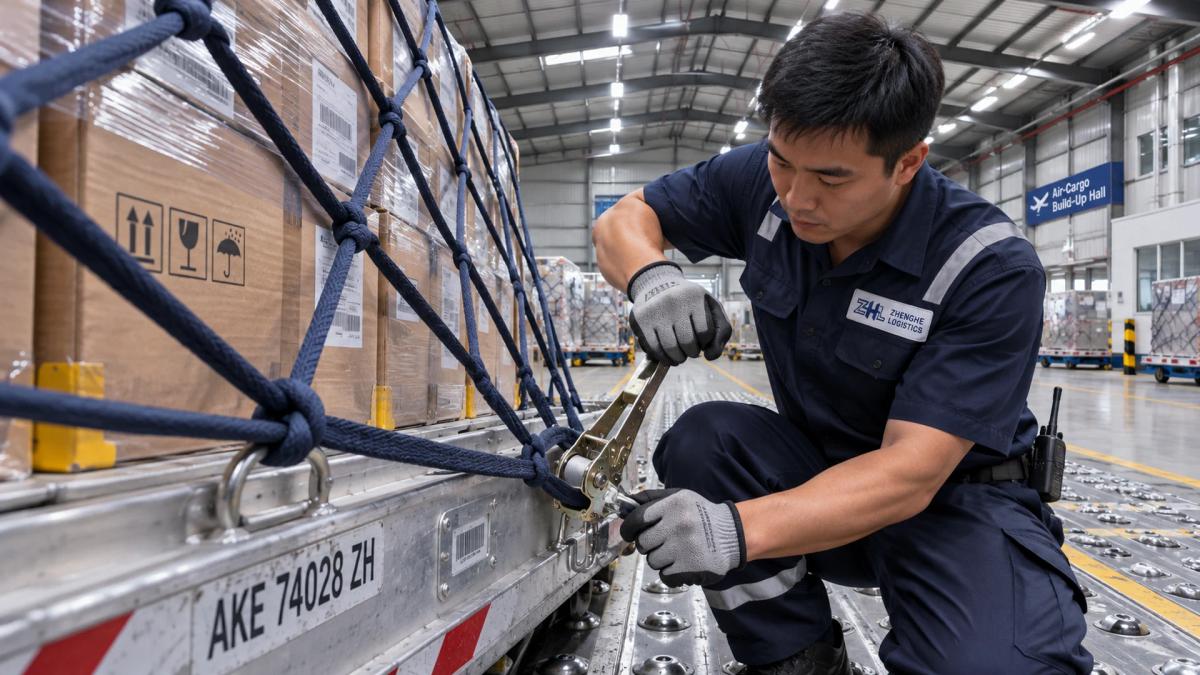
What Happens to Air Cargo Capacity Before Chinese New Year?
Air freight can also tighten as businesses move urgent cargo that cannot wait for ocean services.
This is particularly relevant when companies realise that their sea freight shipment will not make the required deadline and switch to air.
DHL's 2027 air freight outlook expects demand to remain resilient, with capacity potentially tight on some high-demand routes from Asian production markets. It also notes that additional aircraft capacity will not necessarily appear on the routes where shippers need it most.
That means air cargo from Singapore should not automatically be treated as unlimited emergency capacity.
If you know you may need air freight before CNY, discuss the option early.
Zhenghe currently offers both express and economy air freight through Singapore Changi, with cargo dimensions, weight, commodity and required delivery date reviewed before uplift is selected.
Will Freight Rates Increase Before Chinese New Year?
Rates can become more sensitive as space tightens, but the direction and size of any increase depend on the route and mode.
It is better not to assume that every route will experience the same CNY rate spike.
Current ocean conditions heading into 2027 are mixed. DHL describes a market where capacity, rates and reliability are increasingly moving differently depending on the trade lane.
For air freight, stronger demand and constrained capacity on selected Asian routes may create additional rate pressure.
In practical terms, freight prices can be influenced by:
- Available carrier capacity
- Sailing or flight demand
- Fuel and security surcharges
- Equipment availability
- Origin and destination
- Shipment dimensions
- Cargo weight
- Urgency
- Special handling
- Pickup and delivery requirements
Zhenghe's rate guidance also notes that freight rates can change based on carrier capacity, sailing cutoffs, commodity, dimensions, stackability and door-service requirements.
So rather than trying to predict the lowest possible CNY rate, businesses should balance price against the risk of losing the required space.
Should You Book Sea Freight or Air Freight Before CNY?
Use sea freight for planned larger-volume cargo and consider air freight when speed becomes commercially more important than cost.
Sea freight may make more sense for:
- FCL shipments
- Larger LCL movements
- Routine stock replenishment
- Heavy cargo
- Non-urgent inventory
Air freight may be more suitable for:
- Urgent components
- Samples
- High-value cargo
- Time-sensitive stock
- Smaller consignments
- Production-critical shipments
Do not wait until your ocean shipment has already missed its planned sailing before exploring air freight.
If timing is important, ask your freight forwarder about both options early enough to keep alternatives open.
DHL's current 2027 air freight guidance similarly recommends identifying alternative routes, carriers and transport modes before disruption occurs rather than only after the preferred option becomes unavailable.
What Cargo Details Should You Prepare Before Requesting Space?
Give your freight forwarder enough information to review a real booking, not just an approximate route.
Prepare:
- Origin
- Destination
- Cargo-ready date
- Commodity
- Number of cartons or pallets
- Dimensions
- Gross weight
- FCL or LCL requirement if known
- Incoterm
- Required delivery date
- Special handling requirements
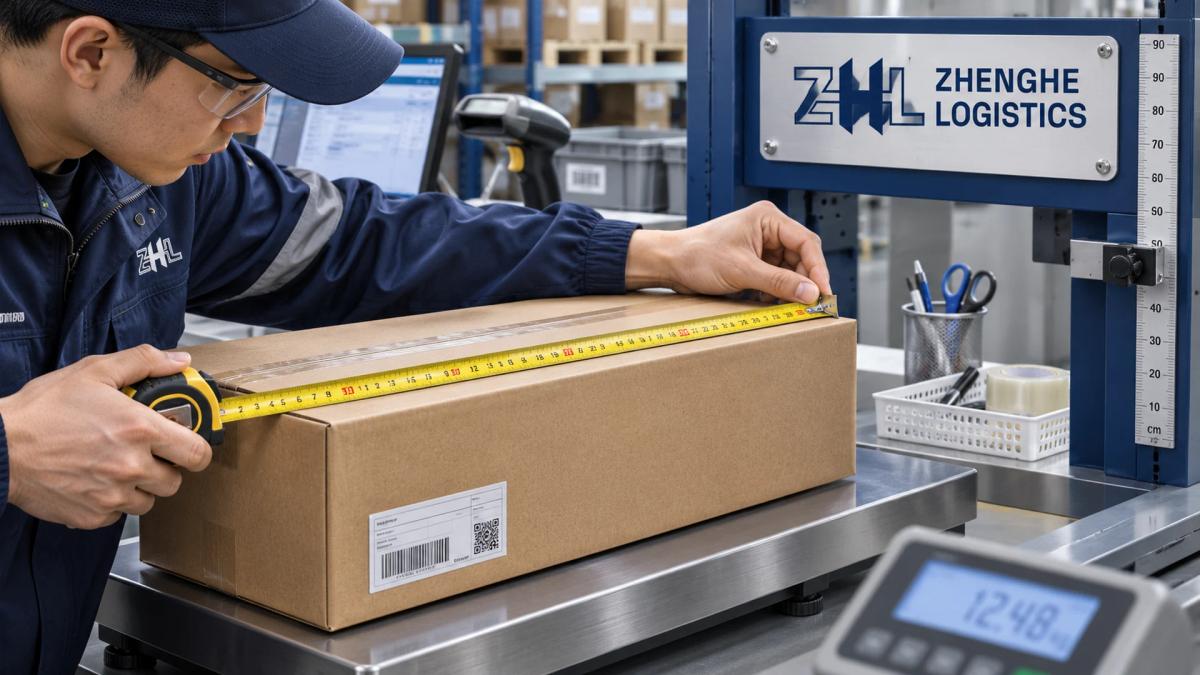
For air cargo, accurate dimensions are particularly important because chargeable weight can depend on both actual and volumetric weight.
For sea freight, dimensions and CBM can affect whether LCL or FCL is the more suitable option.
Zhenghe's freight desk asks customers to include the route, ready date, dimensions, weight and handling notes so its team can review the movement properly.
What Documents Should Be Ready Before the Peak Period?
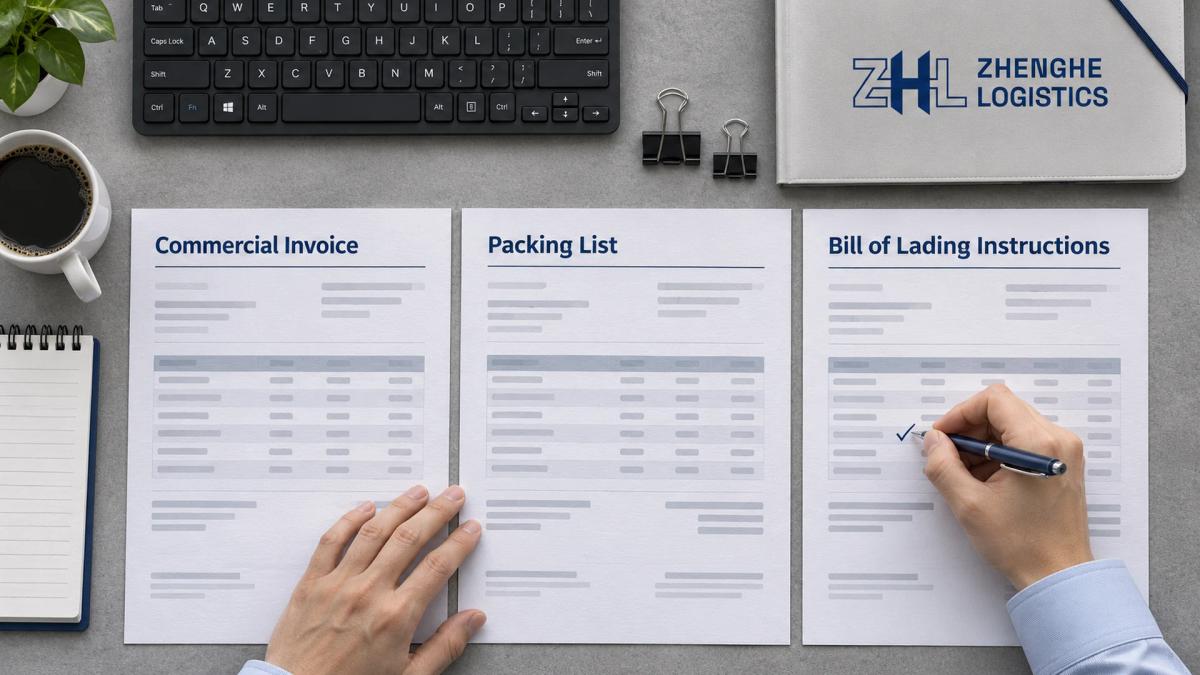
Prepare the core shipping documents before the final cargo cutoff wherever possible.
Depending on the shipment, these may include:
- Commercial invoice
- Packing list
- Bill of Lading instructions
- Air Waybill instructions
- Customs permit information
- Certificate of Origin
- Commodity permits
- Dangerous goods documentation
- MSDS or battery documentation where applicable
Last-minute document corrections become more difficult when operations teams and carriers are dealing with increased holiday volumes.
Check:
- Shipper name
- Consignee name
- Product description
- Quantity
- Weight
- HS code
- Incoterm
- Origin
- Destination
before submitting final instructions.
What Should You Ask Your Freight Forwarder Before CNY?
Ask about the shipment's actual operational plan, not just the freight rate.
Useful questions include:
- Is space currently available?
- What is the cargo cutoff?
- What is the documentation cutoff?
- When should my cargo actually be ready?
- Is the booking confirmed or still pending carrier approval?
- What happens if we miss this departure?
- Is there another sailing or flight available?
- Should we consider air freight as a backup?
- Are any surcharges currently applicable?
- When does the supplier or warehouse close for CNY?
These questions help turn an indicative freight quote into a practical shipment plan.
A freight forwarder in Singapore should be able to review the cargo details, route and timing before confirming what is realistically available.
Zhenghe's current workflow follows this approach: a rate or booking request remains subject to staff review of space, documents, cutoffs and final payable charges before the movement is confirmed.

Frequently Asked Questions
When is Chinese New Year in 2027?
Chinese New Year falls on Saturday, 6 February 2027. However, freight disruption can begin weeks earlier as production slows and exporters try to move goods before holiday closures.
How early should I book freight before Chinese New Year?
There is no universal deadline because booking requirements depend on the route, carrier and cargo. However, planning should begin several weeks before CNY. Freightos expects pre-holiday activity to accelerate significantly during January 2027, particularly from around 9 January onward.
Do freight rates always increase before Chinese New Year?
Not on every route. Rates depend on demand, available capacity, equipment, fuel, origin and destination. However, stronger demand and reduced booking flexibility can put upward pressure on pricing on capacity-constrained lanes.
Can I use air freight if I miss the sea freight cutoff?
Potentially, but air capacity can also become constrained during peak periods. Air freight should therefore be considered as an alternative early rather than assumed to be available at the last minute.
What information does a freight forwarder need before CNY?
Prepare your origin, destination, commodity, cargo dimensions, gross weight, number of packages, cargo-ready date, Incoterm and required delivery date. Include any dangerous goods or special handling information as well.
This guidance is indicative. Carrier space, cutoffs, handling requirements and destination conditions should be confirmed for each movement.