
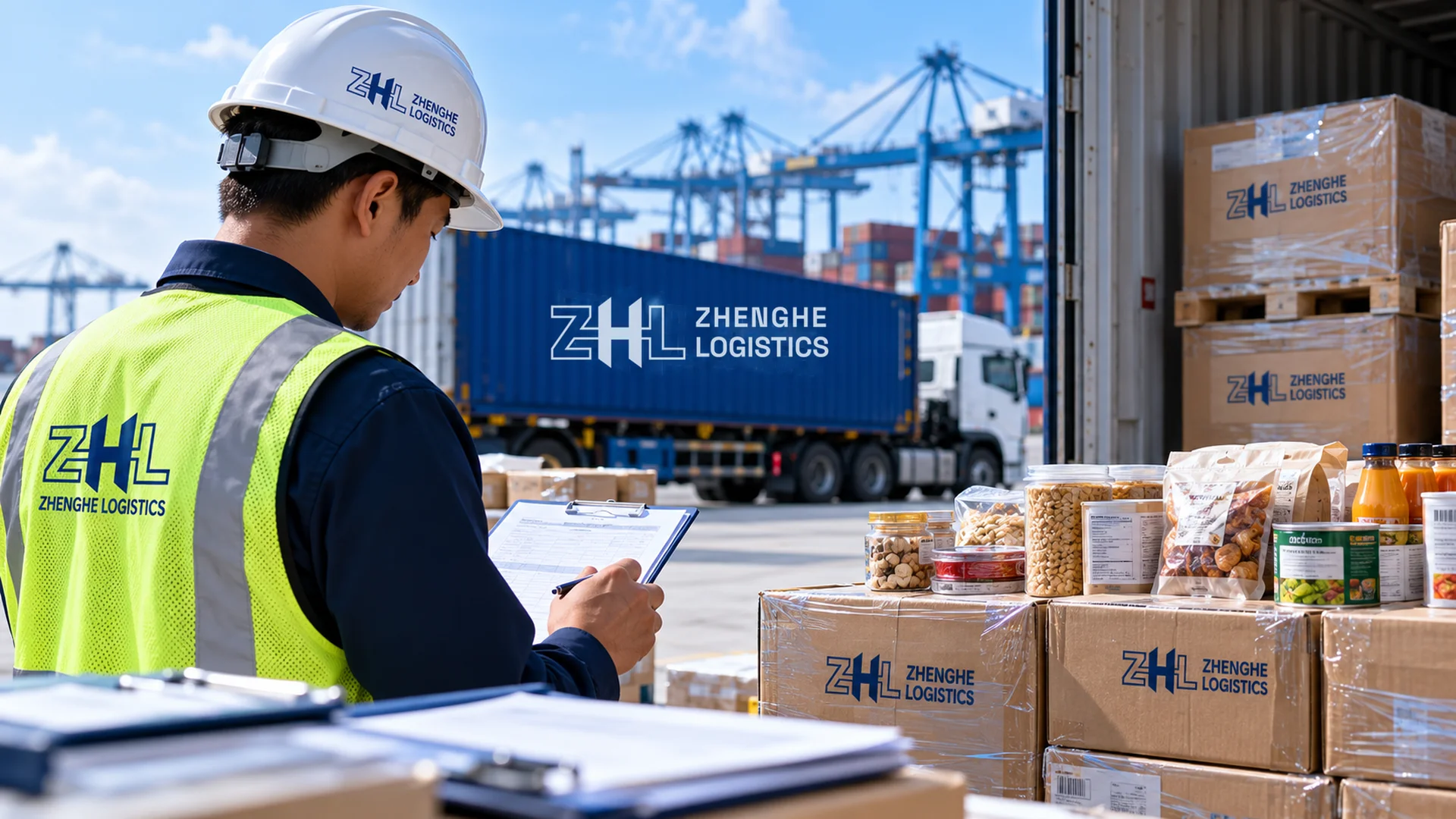
For Singapore food brands looking to enter Indonesia, arranging the freight is only one part of the job.
Before exporting food to Indonesia, businesses need to confirm whether the product can be imported, whether BPOM registration is required, what documents the Indonesian importer needs, whether halal requirements apply, and whether the commercial and transport documents are consistent before the cargo leaves Singapore.
Missing one requirement can create delays after the goods have already arrived.
This checklist gives Singapore exporters a practical starting point for preparing packaged food and food-related shipments for Indonesia.
Important regulatory update: Indonesia changed its halal implementation timeline in October 2026. Under Government Regulation No. 40 of 2026, mandatory halal certification for food and beverages originating from abroad is scheduled to begin on 18 October 2028. The obligation has been postponed, not removed.
1. Confirm Who Will Be the Indonesian Importer
Before preparing the shipment, identify the Indonesian company responsible for importing and distributing the product.
This is important because several Indonesian approvals sit with the local importer rather than the Singapore exporter.
For imported processed food, BPOM states that registration is submitted by an Indonesian importer or distributor appointed by the overseas manufacturer. Imported products intended for retail sale generally require Indonesian product registration before they can be distributed.
The importer may need information and documents from the Singapore manufacturer such as:
Letter of Appointment
Product composition
Manufacturing process
Product specifications
Label artwork
Shelf-life information
GMP or HACCP documentation
Health Certificate or Free Sale Certificate
Halal documentation where relevant
Do not wait until the goods are ready to ship before establishing who will manage these requirements in Indonesia.

2. Check Whether the Product Needs BPOM Registration
For many packaged processed foods sold to consumers in Indonesia, BPOM registration is a key requirement.
BPOM states that processed foods produced overseas and imported for retail distribution generally need a PB-UMKU registration. Imported products carry a BPOM RI ML registration number.
There are exemptions for certain categories, including some products imported only as samples, some ingredients not sold directly to consumers, certain bulk products and other specified food categories.
This means exporters should not simply ask:
“Is food allowed into Indonesia?”
The better question is:
“What regulatory category does this exact product fall under, and what registration does our Indonesian importer need before commercial import?”
For an imported processed food registration, BPOM currently lists importer-side requirements including NIB, NPWP, food safety management certification, an appointment letter from the overseas manufacturer, and GMP/HACCP or equivalent manufacturing documentation.
3. Prepare the Product Registration Documents
Product registration requires more detail than the documents used simply to move the freight.
Depending on the food category and risk classification, BPOM may require information including:
Product composition or ingredient list
Manufacturing process
Shelf-life information
Production code information
Product label design
Raw material specifications
Food additive specifications
Product photographs
Health Certificate or Free Sale Certificate
GMP/HACCP documentation
Letter of Appointment
Supporting test results where applicable
BPOM's current registration guidance also requires imported processed foods to comply with applicable label, food safety and distribution standards.
Exporters should therefore treat product registration documents and shipping documents as two separate checklists.
Both need to be ready.
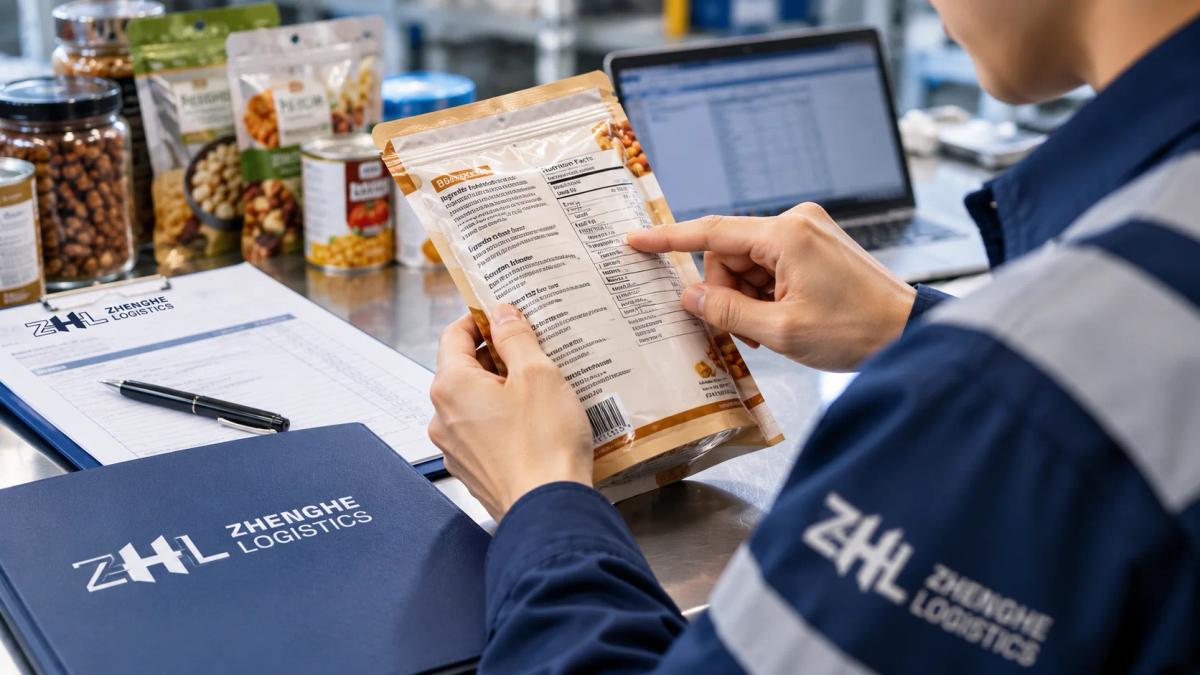
4. Check the Indonesian Label Before Printing Large Quantities
Packaging designed for Singapore should not automatically be assumed to meet Indonesian requirements.
BPOM states that processed food labels must include key information such as:
Product name
Ingredient list
Net weight or volume
Manufacturer or importer information
Halal information where required
Production date/code information
Expiry information
Product registration number
Certain origin information where applicable
Indonesia also introduced updated nutritional information requirements in 2026. BPOM states that new processed-food registration applications received from 3 August 2026 should follow Regulation BPOM No. 10 of 2026 on nutrition information displayed on processed food labels.
This is one reason businesses should finalise Indonesian registration and label requirements before mass-producing packaging.
Reprinting thousands of labels because one mandatory field is missing is an avoidable cost.
5. Understand the Current Halal Requirement
Halal requirements are particularly important for businesses exporting food to Indonesia.
However, exporters need to work from the current implementation timeline, not older information.
Indonesia's Government Regulation No. 40 of 2026 changed the implementation date for food, beverages, slaughter products and slaughter services originating from overseas.
Mandatory halal certification for these imported products is now scheduled to begin on:
18 October 2028
The Indonesian government has stated that this adjustment provides additional preparation time; it does not remove the underlying halal certification obligation.
Does that mean exporters can ignore halal until 2028?
No.
Businesses intending to position and sell their products as halal should still plan their certification pathway carefully and work with their Indonesian importer to confirm current requirements.
For products using a foreign halal certificate, Indonesian regulations provide a system for registration of qualifying foreign halal certificates through BPJPH's SiHalal system. The Indonesian importer or official representative handles the registration process.
Exporters should therefore confirm:
Is the product currently halal certified?
Who issued the halal certificate?
Is the certifying body recognised for the relevant scope?
Does the Indonesian importer need to register the certificate?
Does Indonesian packaging need a halal registration number or label?
Are there specific segregation requirements for the product or shipment?
Because the regulations continue to develop ahead of the 2028 implementation date, these points should be reviewed for each product rather than assumed from a previous shipment.
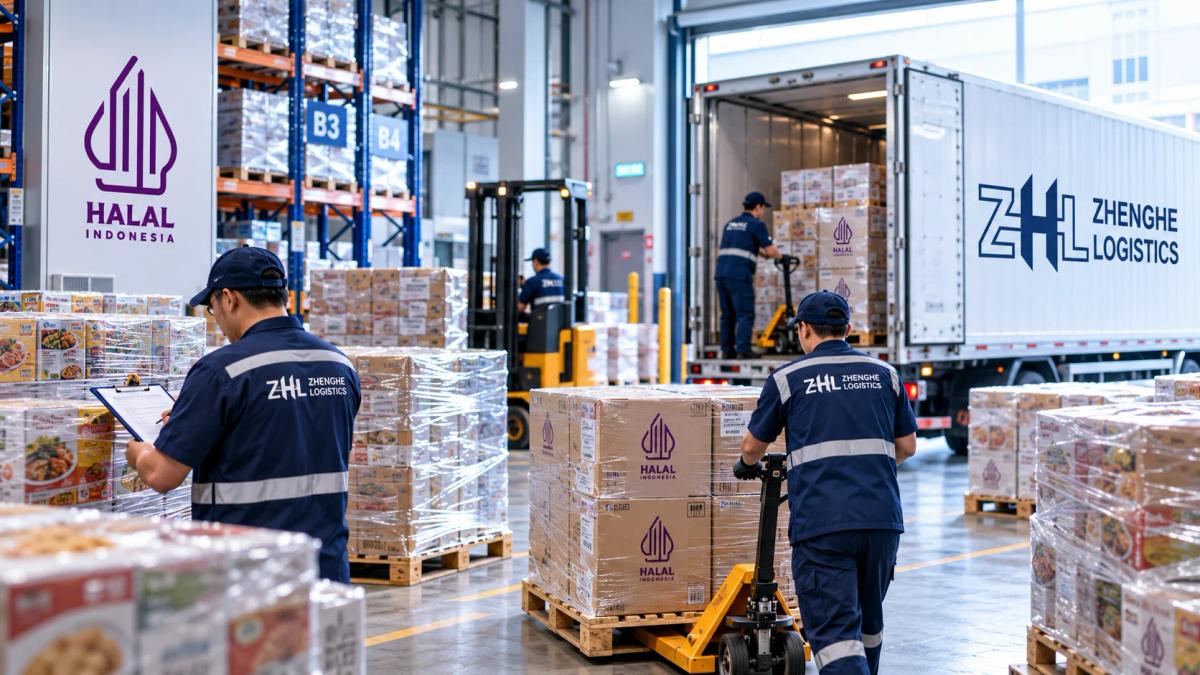
6. Protect Halal Integrity During Logistics
Halal compliance is not only a manufacturing consideration.
Food may pass through:
Warehouses
Trucks
Consolidation facilities
Ports
Containers
Distribution centres
Multiple logistics providers
For halal-sensitive cargo, handling and transport arrangements therefore form part of the wider supply chain.
Zhenghe Logistics' Product Transportation Services are currently Halal Indonesia certified by BPJPH under certificate ID00410081311441026, covering its transportation service from its Woodlands operation in Singapore.
That transportation certification supports halal-sensitive logistics, but it is important to distinguish the two:
A halal-certified logistics provider does not replace the halal certification required for the food product itself.
Exporters still need to ensure their own product, importer and regulatory documentation meet the applicable Indonesian requirements.
7. Check Whether You Need an SFA Export Certificate
Some food exports from Singapore may require official certification from the Singapore Food Agency depending on the product and importing-country requirements.
SFA issues documents including:
Free Sale Certificate
Export Health Certificate
Export Health Certificate for re-exported imported food products
SFA advises exporters to confirm the destination country's requirements before applying. Required export certificates must be obtained before the food is exported; they cannot simply be issued retrospectively after shipment.
For locally manufactured products, the Indonesian importer may also request a Free Sale Certificate or Health Certificate as part of BPOM product registration. BPOM specifically identifies these documents among the supporting requirements for imported processed foods.
Confirm this requirement early enough to allow for certificate application and any inspection or supporting documentation.
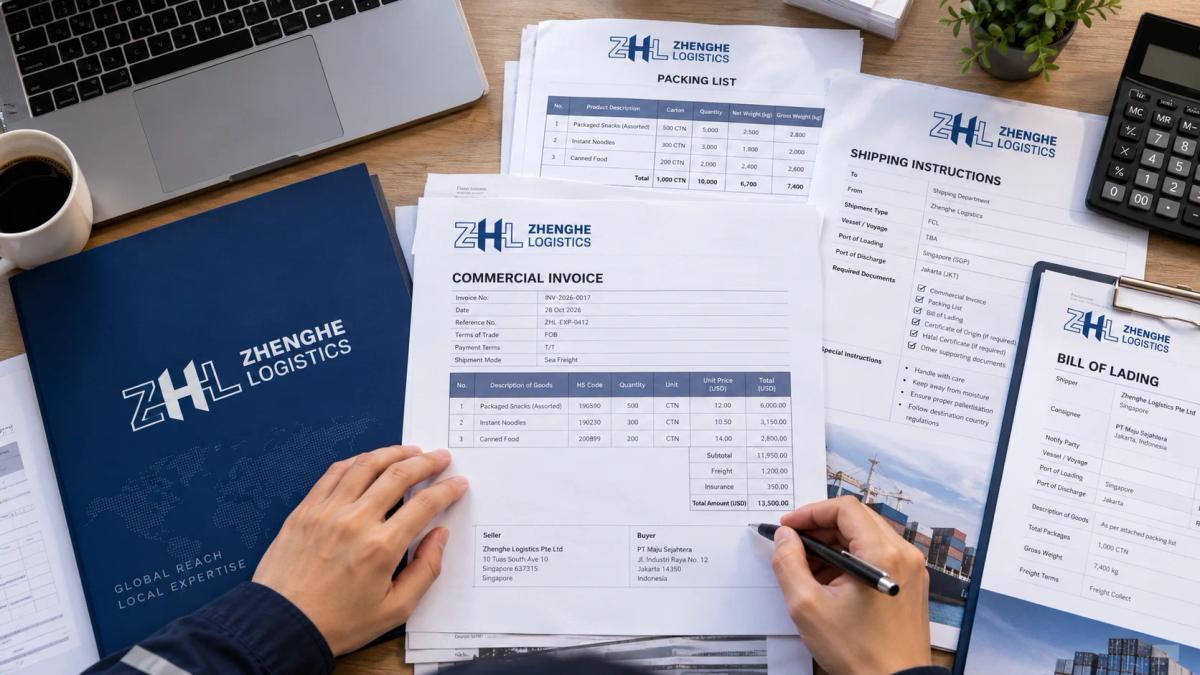
8. Prepare the Commercial Shipping Documents
Once the regulatory side is in place, the actual freight movement also needs a clean set of commercial documents.
At minimum, businesses commonly need to prepare:
Commercial Invoice
The invoice should accurately state information such as:
Seller
Buyer/importer
Product description
Quantity
Unit price
Total value
Currency
Country of origin
Incoterm where applicable
Avoid overly generic descriptions such as “food products” when a more specific description is available.
Packing List
The packing list should match the actual cargo and include:
Number of cartons or pallets
Product quantities
Gross weight
Net weight where relevant
Dimensions
Shipping marks
Bill of Lading or Air Waybill Instructions
Depending on whether the cargo moves by sea or air, the freight forwarder will require accurate:
Shipper details
Consignee details
Notify-party details where relevant
Cargo description
Package count
Weight
Shipping instructions
Indonesia Customs recognises documents such as invoices, packing lists and Bills of Lading or Air Waybills as supporting customs documents for import declarations.
Certificate of Origin
A Certificate of Origin may also be relevant depending on the goods and tariff treatment being claimed.
Where preferential treatment under a trade agreement is being used, confirm that the product actually satisfies the applicable origin rules before preparing the certificate.
9. Confirm the BPOM Import Clearance Requirement
Product registration and shipment clearance are not the same thing.
BPOM also operates a Surat Keterangan Impor (SKI) process for relevant food imports.
BPOM states that SKI applies to processed food imports, including retail packaged products, food ingredients and food additives. For packaged retail food, the product generally needs its applicable BPOM registration before commercial import.
BPOM has continued enforcement around imported processed food entering Indonesia without the required SKI, including specific compliance activity in 2026.
This is primarily handled by the Indonesian importing party, but the Singapore exporter should know about it because incomplete product or shipment information can prevent the importer from completing its side of the process.
10. Final Pre-Shipment Checklist
Before releasing food cargo from Singapore, confirm the following with your importer and freight team:
Indonesian importer/distributor confirmed
Product category and HS code reviewed
BPOM registration status confirmed
BPOM RI ML number available where required
Indonesian label requirements completed
Current halal status reviewed
Foreign halal certificate registration checked where relevant
SFA Free Sale or Health Certificate obtained if required
Commercial invoice complete
Packing list complete
Bill of Lading/Air Waybill instructions confirmed
Certificate of Origin prepared if applicable
BPOM SKI process confirmed with importer
Cargo dimensions and gross weight finalised
Shelf life checked
Freight route and cargo-ready date confirmed
Halal-sensitive handling requirements communicated to the logistics provider
The key is to complete these checks before cargo is handed over, rather than discovering a missing approval after the shipment reaches Indonesia.

How Zhenghe Logistics Supports Food Shipments to Indonesia
For Singapore businesses exporting food to Indonesia, Zhenghe Logistics can support the freight and documentation side of the movement.
Its customs and documentation service covers Singapore and Indonesia shipment coordination, including review of:
Commercial invoices
Packing lists
Bills of Lading or Air Waybills
HS code information
Certificate of Origin requirements
Permits and other shipment references where applicable
Zhenghe also supports sea freight, air freight, warehousing and regional forwarding from Singapore, allowing the logistics stages to be coordinated alongside the document review.
For halal-sensitive shipments, Zhenghe's BPJPH-certified Product Transportation Services provide an additional consideration for businesses that need their logistics arrangement to support a halal supply chain.
Planning to Export Food From Singapore to Indonesia?
Food exports require more preparation than simply booking a vessel or flight.
Before shipping, make sure the product registration, Indonesian importer requirements, halal status, labels, export certificates and freight documents are aligned.
If you are preparing a food shipment from Singapore to Indonesia, send Zhenghe Logistics your:
Product or commodity
Origin
Indonesian destination
Cargo dimensions
Gross weight
Cargo-ready date
Temperature or handling requirements
Halal handling requirements where applicable
Talk to Operations to review the shipment requirements, or Start a Quote once your cargo details are ready.
This guidance is indicative. Carrier space, cutoffs, handling requirements and destination conditions should be confirmed for each movement.