
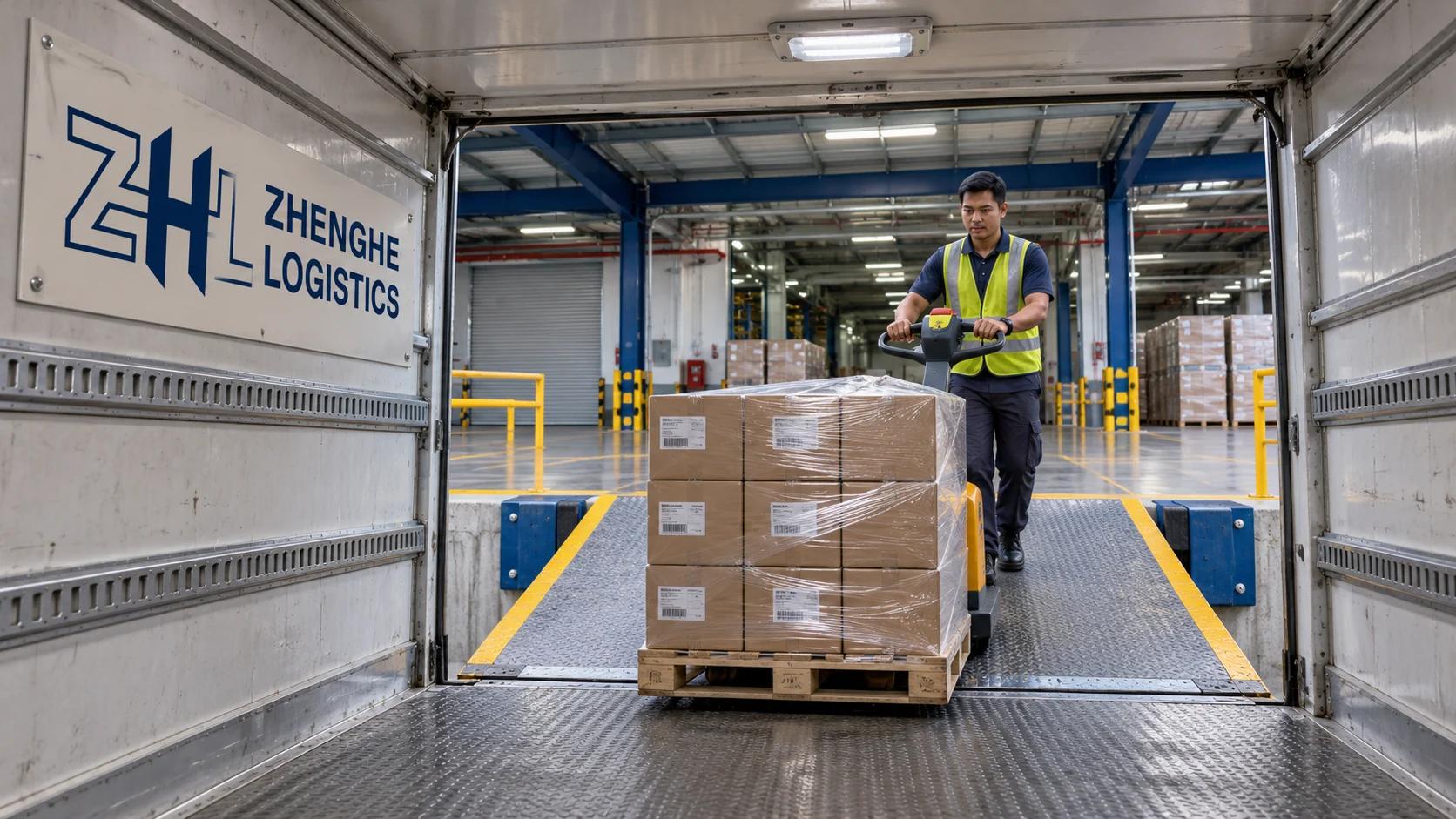
For businesses handling halal food, beverages, cosmetics and other halal-sensitive products, maintaining halal integrity does not stop when goods leave the production facility.
The way products are stored, labelled, loaded, transported and handed over can also form part of the halal supply chain.
This makes logistics planning especially important for businesses moving halal-sensitive cargo between Singapore and markets such as Indonesia.
When choosing halal logistics in Singapore, businesses should look beyond whether a logistics provider has a certificate. They should also understand which service is certified, how cargo needs to be prepared and what information should be communicated before transportation begins.
Zhenghe Logistics' Product Transportation Services are certified by Halal Indonesia (BPJPH) under certificate ID00410081311441026. The certification covers its product transportation service and is listed against its Singapore operations.
Here is what businesses should prepare before moving halal-sensitive cargo.
What Does Halal Logistics Actually Mean?
Halal logistics is about protecting halal integrity as products move through the supply chain.
This can include activities such as:
- Receiving
- Storage
- Loading and unloading
- Packing or repacking
- Labelling
- Staging
- Distribution
- Transportation
- Handover between logistics parties
BPJPH identifies storage, packaging and distribution as logistics services within Indonesia's halal assurance framework. It also identifies activities such as receiving, storage, picking, packing, staging, loading, unloading and delivery as points where halal integrity needs to be considered.
The principle is straightforward: halal products should be protected from situations that could compromise their halal status while they are being handled or moved.
This is why halal logistics should be considered before cargo reaches the warehouse or truck, rather than only after the shipment has already been booked.

Why Does Segregation Matter in a Halal Supply Chain?
Segregation helps reduce the risk of cross-contamination between halal and non-halal products.
BPJPH's halal assurance requirements address separation during processes including storage, packaging and distribution. Its guidance also highlights the need to prevent cross-contamination during logistics activities.
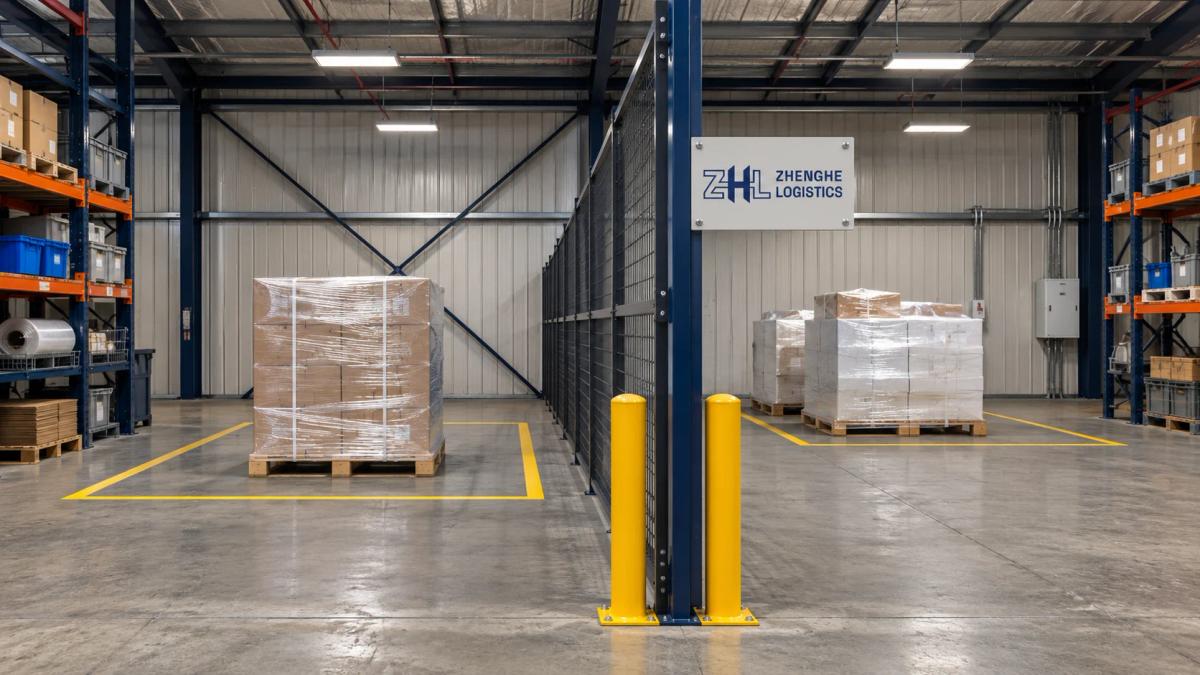
For shippers, this means you should tell the logistics provider that the cargo is halal-sensitive before it is collected or received.
Do not assume the provider will know based only on the brand or commodity description.
When requesting a freight movement, clearly state:
- That the cargo is halal-certified or halal-sensitive
- The exact commodity
- Whether the goods contain animal-derived ingredients
- Whether additional segregation requirements apply
- Whether there are handling instructions from your halal certification body
- Whether the consignee has specific halal receiving requirements
The earlier these requirements are communicated, the easier it is for the logistics team to review whether the planned movement is suitable.
Does halal cargo always need a completely separate truck?
Not necessarily. The requirements depend on the product and the applicable halal controls.
BPJPH has specifically clarified that halal certification for distribution services is not the same thing as requiring every truck itself to carry halal certification. Its guidance focuses on the certified logistics service and on preventing cross-contamination throughout the distribution process.
Businesses should therefore avoid creating their own assumptions about what is required.
Instead, provide the logistics provider with the product details and applicable halal requirements so the correct arrangement can be reviewed.
How Should Halal Cargo Be Labelled?
Cargo should be identifiable enough for warehouse and transport teams to know that special handling requirements apply.
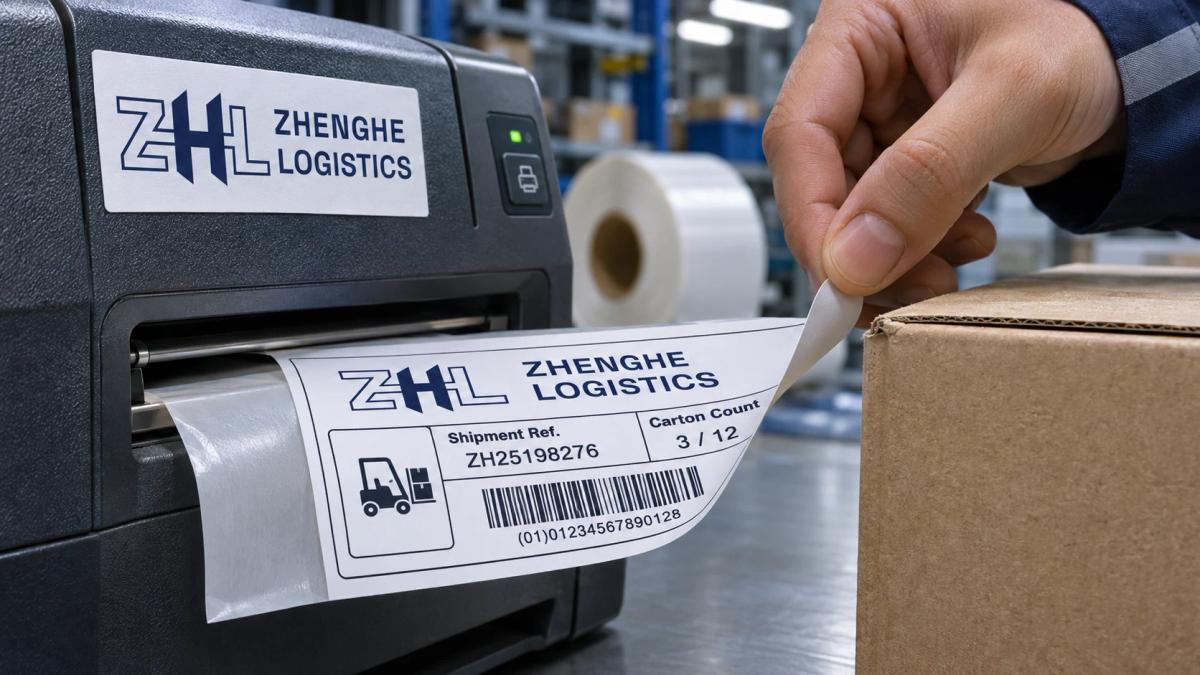
Clear identification helps prevent mistakes during:
- Receiving
- Staging
- Storage
- Picking
- Loading
- Handover
Depending on your company's halal procedures, this may involve:
- Halal status stated on cargo instructions
- Clear pallet or carton identification
- SKU-level information
- Handling labels
- Shipment references identifying halal-sensitive cargo
- Copies of relevant certification where required
The exact labelling method should follow your company's halal assurance procedures and any applicable regulatory requirements.
BPJPH's broader halal framework requires certified halal products to carry the appropriate halal label and places importance on traceability throughout the product journey.
For logistics teams, the practical objective is simple: the people receiving and moving the goods should be able to identify the shipment correctly.
What Documents Should You Prepare for Halal Logistics?
Prepare both the normal freight documents and any halal-related information needed for the shipment.

A halal-sensitive shipment still requires the standard commercial and transport documents used for international freight.
These may include:
- Commercial invoice
- Packing list
- Bill of Lading or Air Waybill
- Customs permit information
- Certificate of Origin where applicable
- Import or export permits
- Commodity-specific documents
For halal-sensitive cargo, businesses may also need to provide:
- Product halal certificate
- Halal certificate number
- Product or SKU list covered by the certificate
- Handling instructions
- Relevant halal declarations
- Importer or consignee halal requirements
- Other supporting documents required for the destination
Do not assume the freight forwarder automatically has your latest certificate.
If the product certification, SKU, formulation or shipping requirement has changed, make sure the latest information is supplied.
Why Is Traceability Important for Halal Logistics?
Traceability helps businesses show what happened to the product throughout the supply chain.
BPJPH describes traceability as an important principle in maintaining halal assurance, covering the journey from materials and production through storage, distribution and eventual sale or consumption.
From a logistics perspective, useful records can include:
- Shipment reference
- Product description
- Lot or batch information where relevant
- Number of cartons or pallets
- Collection point
- Receiving point
- Movement dates
- Transport documentation
- Delivery destination
- Handover records
- Supporting halal documentation
This becomes particularly important when several parties are involved.
A shipment may move through:
Manufacturer → warehouse → freight forwarder → carrier → destination warehouse → distributor
Every handover creates another point that needs to be coordinated properly.
For businesses managing a halal supply chain, fewer assumptions and clearer documentation usually make the movement easier to control.

What Should You Tell Your Logistics Provider Before Collection?
Tell them that the cargo is halal-sensitive and provide the operational details before booking.
At minimum, prepare:
- Origin
- Destination
- Commodity
- Number of cartons or pallets
- Dimensions
- Gross weight
- Cargo-ready date
- Incoterm
- Halal status
- Product halal certificate details where relevant
- Special handling requirements
- Segregation requirements
- Temperature requirements if applicable
- Consignee instructions
If your business has an internal halal logistics SOP, provide the relevant instructions before the cargo is accepted.
This is much safer than adding special handling notes after the shipment has already entered the logistics process.
How Should Halal Cargo Be Prepared Before Pickup?
Cargo should be packed, identified and documented before the logistics provider receives it.
A practical pre-pickup check can include:
1. Confirm the Product Halal Status
Make sure the certificate and products being shipped correspond correctly.
If multiple SKUs are involved, confirm which ones are covered.
2. Check the Packaging
Ensure outer packaging is suitable for transportation and that the cargo is protected from damage or exposure during handling.
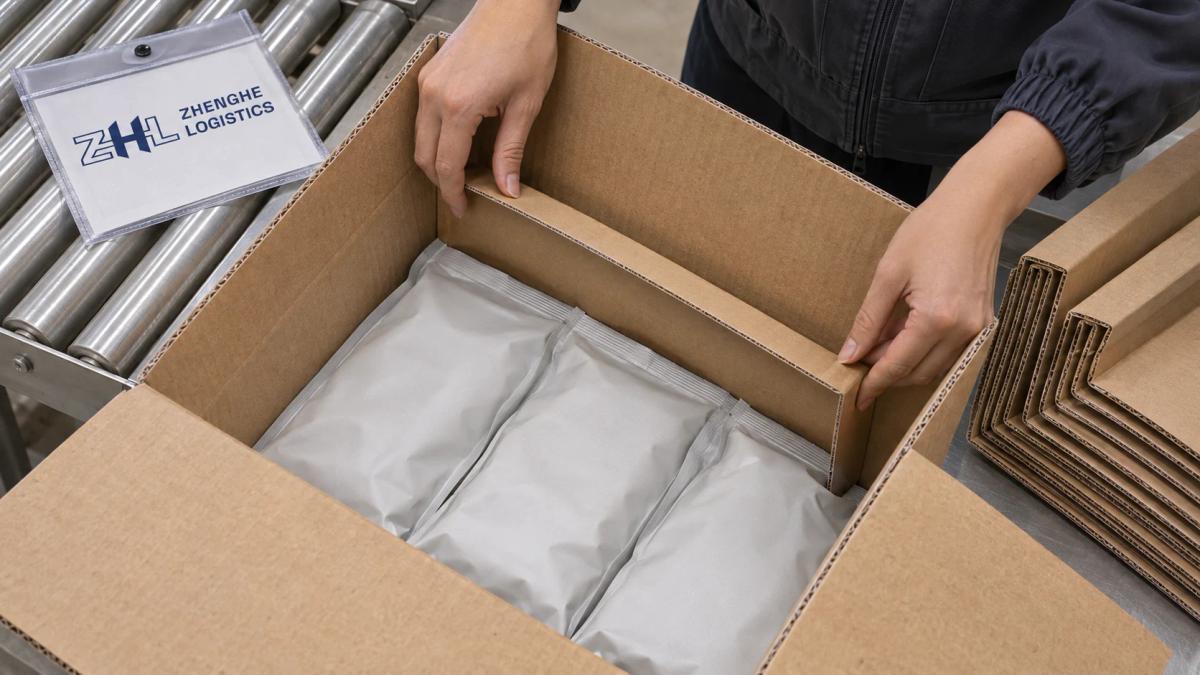
3. Identify the Cargo Clearly
Use appropriate carton, pallet or shipment identification according to your company's halal procedures.
4. Prepare the Documents
Check that the invoice, packing list and transport instructions match the actual cargo.
Include relevant halal documentation where required.
5. Communicate Special Requirements
Do not rely only on labels attached to the pallet.
Tell the freight or operations team directly that the movement requires halal-sensitive handling.
6. Confirm the Receiving Requirements
The destination warehouse or consignee may have its own procedures.
Confirm these requirements before the shipment leaves Singapore.
What Should Buyers Ask a Halal Logistics Provider?
Ask specifically what is certified and how the certification relates to your shipment.
A useful checklist includes:
- What logistics service is halal certified?
- Which facility or operation does the certification cover?
- Who issued the certification?
- What is the certificate number?
- Is the certificate currently valid?
- What cargo information is required before booking?
- How are halal-sensitive handling requirements communicated?
- What documents should the shipper provide?
- Are there restrictions based on commodity type?
- How are exceptions handled?
This helps businesses distinguish between a general marketing statement and an actual certification scope.
For example, Zhenghe Logistics' certification is specifically for Product Transportation Services (Jasa Pendistribusian) under Halal Indonesia BPJPH certificate ID00410081311441026. Zhenghe's published certification information states that it covers its transportation operations at 39 Woodlands Close, Mega@Woodlands in Singapore.
This should not be interpreted as saying every service or every customer's product is automatically halal certified.
The product owner remains responsible for ensuring its own products and applicable certification requirements are in order.
Does Using Halal Certified Logistics Make the Product Halal?
No. Logistics certification and product halal certification are different things.
A logistics provider's certification relates to the scope stated in that provider's certificate.
It does not turn a non-certified product into a halal-certified product.
Businesses remain responsible for confirming:
- Product certification
- Ingredients
- Manufacturing requirements
- Labels
- Destination-country requirements
- Applicable halal documentation
The logistics provider's role is to support the movement according to its certified service scope and the shipment requirements provided.
That distinction is particularly important for brands exporting into markets such as Indonesia.
How Does Zhenghe Logistics Support Halal-Sensitive Cargo?
Zhenghe Logistics holds Halal Indonesia certification for its Product Transportation Services.
Certificate:
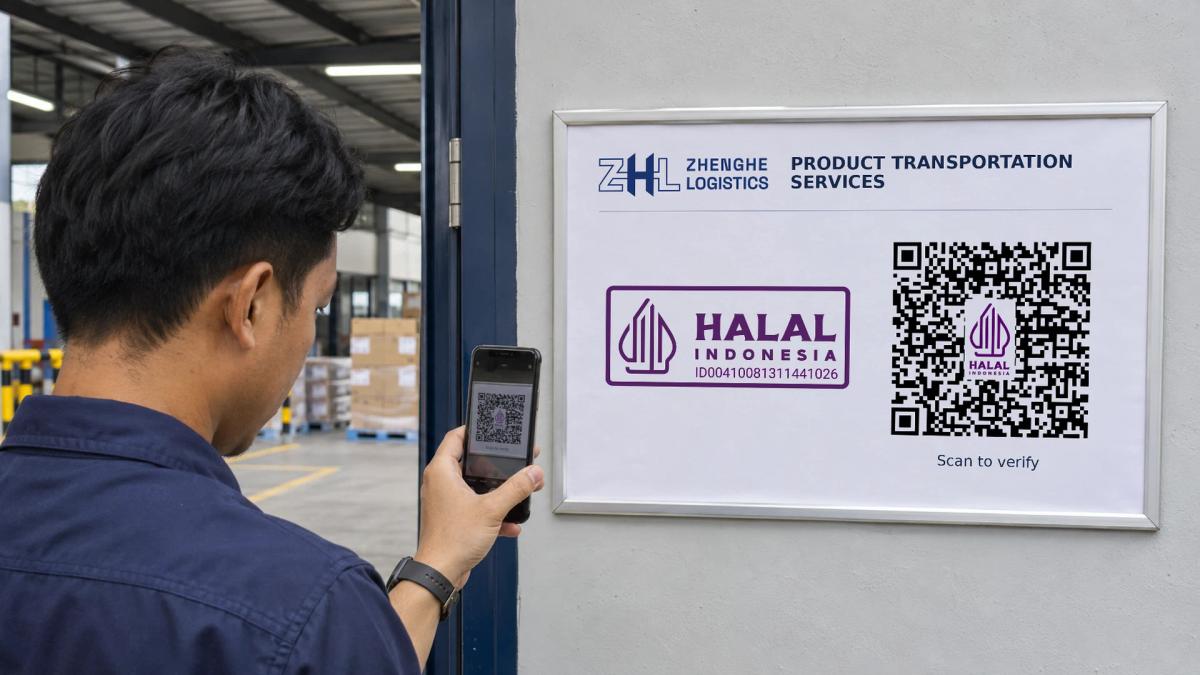
Zhenghe's current service directory states that its transportation service is Halal Indonesia certified by BPJPH and describes the certification as supporting cargo that needs to remain within a certified halal supply chain.
Its wider Singapore freight operation also covers:
- Sea freight
- Air freight
- Singapore–Malaysia trucking
- Regional sea forwarding
- Warehousing
- Customs and documentation
- Project cargo
The published halal certificate should, however, be understood according to its stated scope: Product Transportation Services.
Businesses planning halal-sensitive shipments should therefore provide their cargo and handling requirements to Zhenghe's operations team before booking so the proposed movement can be reviewed.
Explore Zhenghe's halal logistics and freight services from Singapore to understand the available transport and supporting freight options.
Frequently Asked Questions
What is halal logistics?
Halal logistics refers to logistics activities that maintain halal integrity as products move through storage, handling, packaging and distribution. The objective is to prevent situations such as cross-contamination and to maintain appropriate controls and traceability throughout the relevant parts of the supply chain.
Why is segregation important in halal logistics?
Segregation can help prevent cross-contamination between halal and non-halal goods during storage, handling and distribution. The exact requirements depend on the type of goods and applicable halal assurance procedures. BPJPH's framework includes separation and cross-contamination controls within halal logistics processes.
What documents are needed for a halal shipment?
Standard freight documents may include a commercial invoice, packing list and Bill of Lading or Air Waybill. Depending on the shipment, businesses may also need product halal certificates, certificate numbers, SKU information and specific handling or destination documentation.
Is Zhenghe Logistics halal certified?
Zhenghe Logistics' Product Transportation Services (Jasa Pendistribusian) are certified by Halal Indonesia BPJPH under certificate ID00410081311441026. The certification scope should be understood specifically as transportation/distribution services rather than as automatic certification of every product or service handled by the company.
Does a halal logistics provider replace product halal certification?
No. A logistics provider's halal certification covers the service identified within its certification scope. Businesses are still responsible for ensuring their products meet the applicable halal certification, labelling and destination-market requirements.
This guidance is indicative. Carrier space, cutoffs, handling requirements and destination conditions should be confirmed for each movement.