
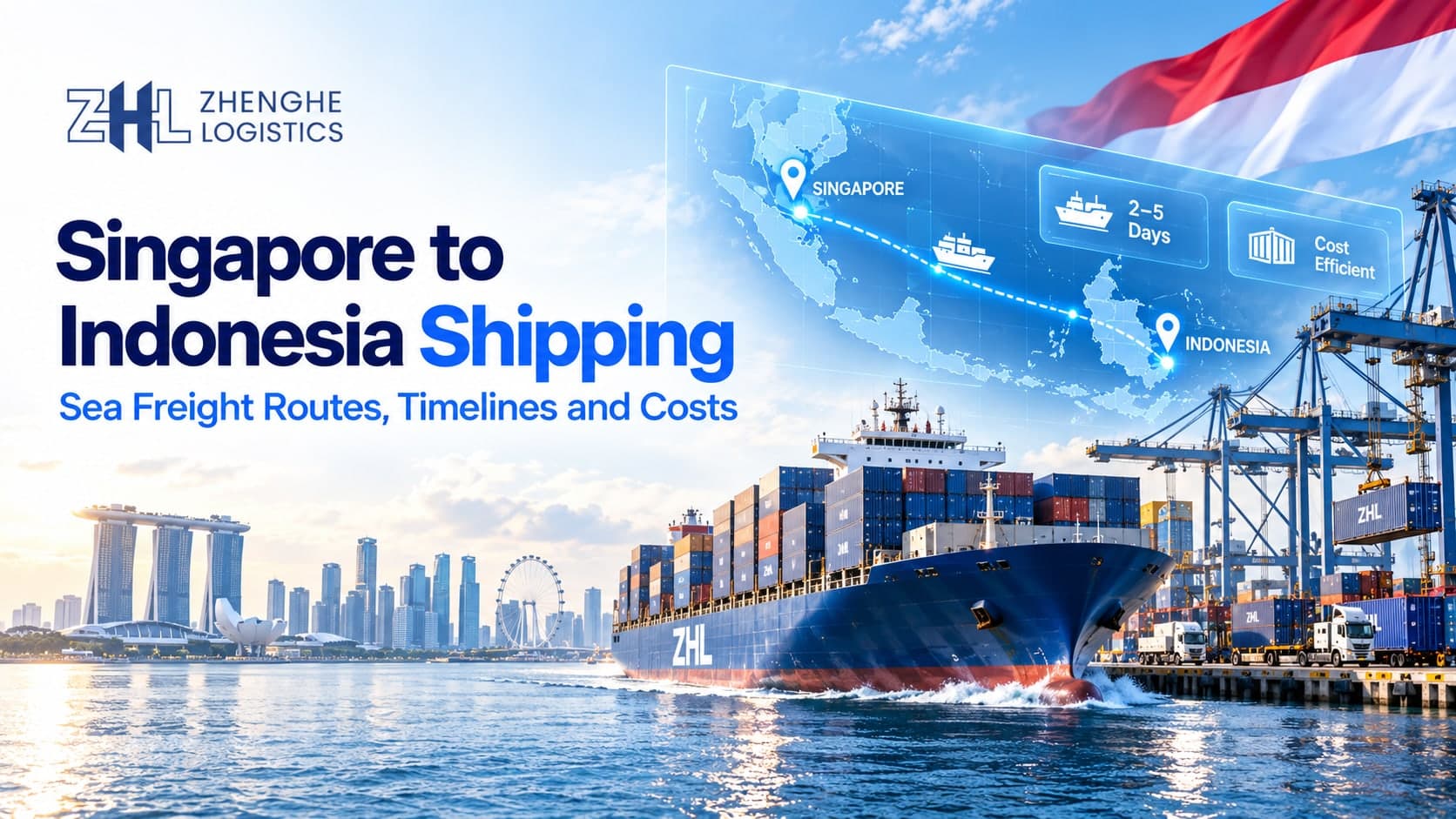
Shipping from Singapore to Indonesia may look straightforward on a map, but choosing the right route involves more than finding the next vessel or flight.
Indonesia is made up of thousands of islands, so the most suitable shipping option depends on where the cargo ultimately needs to go. A shipment bound for Jakarta may follow a very different route from cargo destined for Batam, Surabaya or another Indonesian city.
Businesses planning shipping from Singapore to Indonesia should consider three things early: the destination gateway, the realistic end-to-end timeline and the total logistics cost—not just the main freight rate.
This guide explains the main options and what Singapore exporters and regional supply chain teams should prepare before requesting a freight quote.
What Are the Main Shipping Options From Singapore to Indonesia?
Businesses generally have two main international freight options between Singapore and Indonesia:
Sea freight
Air freight
The right choice depends on cargo size, urgency, destination and budget.
For larger commercial shipments, sea freight is usually the first option businesses assess. Smaller, urgent or production-critical consignments may be more suitable for air freight.
Zhenghe Logistics supports both sea and air freight from Singapore, alongside regional forwarding, warehousing and customs documentation services.
Sea Freight From Singapore to Indonesia
Sea freight is commonly used for commercial cargo moving from Singapore into Indonesia.
Depending on shipment size, businesses may use:
FCL — Full Container Load
FCL provides dedicated container capacity for one shipper's cargo.
It can be suitable when:
Cargo volume is relatively large
Multiple pallets are moving together
A dedicated container is operationally preferable
LCL charges are approaching the cost of a full container
The cargo benefits from fewer consolidation handling stages
Common equipment includes 20-foot and 40-foot containers, although the correct container depends on cargo dimensions, weight and handling requirements.
LCL — Less than Container Load
LCL allows smaller shipments to share container capacity with other cargo.
It can be useful when:
You only have several pallets or cartons
The shipment does not justify a full container
You want to move inventory more regularly
Waiting to accumulate enough cargo for FCL would slow the supply chain
With LCL, additional time should be allowed for consolidation in Singapore and deconsolidation after arrival in Indonesia.
Zhenghe's sea freight service covers FCL, LCL and consolidation, with the shipment method reviewed against cargo weight, volume, deadline and route requirements.
Common Singapore-to-Indonesia Sea Freight Gateways
Indonesia has multiple major commercial ports, and the right destination depends on where your consignee or final delivery point is located.
Pelindo's operating network includes key ports such as Tanjung Priok, Tanjung Perak, Belawan, Tanjung Emas and Makassar, among many others.
Singapore to Jakarta
For cargo serving Jakarta and the surrounding Java market, Tanjung Priok is a major gateway.
This route can be relevant for:
Consumer goods
Food and beverage shipments
Machinery and components
Retail inventory
Industrial products
The important consideration is not only the port-to-port movement. Businesses also need to plan customs clearance and transport from Tanjung Priok to the final consignee.
Singapore to Surabaya
Cargo serving East Java may route through Tanjung Perak in Surabaya.
This can make more operational sense than routing cargo through Jakarta and arranging a much longer domestic movement across Java.
Singapore to Medan and North Sumatra
For northern Sumatra, Belawan is an established Indonesian port gateway.
The final route should still be assessed according to cargo type, carrier coverage and consignee location.
Singapore to Batam
Because of its proximity to Singapore, Batam is another important commercial destination.
However, businesses should not assume that proximity automatically means every shipment follows the same service or timeline. Cargo type, customs arrangements, available carrier services and final delivery location still need to be reviewed.
Other Indonesian Destinations
Cargo may also need to reach areas such as:
Semarang
Makassar
Palembang
Dumai
Pontianak
Other regional ports and inland destinations
In some cases, the shipment may move directly to the destination port. In others, it may involve a regional handover or onward domestic movement.
Zhenghe does not publish a fixed list of port coverage or guaranteed public schedules for regional forwarding. Instead, its operations team reviews the destination, cargo profile, readiness date, space, cutoffs and partner coverage before committing to a route.
How Long Does Shipping From Singapore to Indonesia Take?
There is no single Singapore-to-Indonesia shipping time.
The timeline depends on:
Destination
Sea or air freight
FCL or LCL
Carrier schedule
Cargo cutoff
Consolidation requirements
Customs clearance
Port conditions
Final delivery arrangements
The most important distinction is between transit time and total shipment time.
A vessel may spend only a relatively short period travelling between Singapore and an Indonesian port, but the overall shipment can take longer.
For example:
Cargo ready → warehouse/CFS → documentation → vessel cutoff → departure → arrival → customs → release → final delivery
Every stage contributes to the final timeline.
FCL Timelines
An FCL shipment normally avoids the LCL consolidation and deconsolidation process.
However, the total timeline still depends on:
Container positioning
Stuffing
Port cutoff
Vessel departure
Customs documentation
Indonesian clearance
Container delivery
LCL Timelines
LCL should generally be planned with additional operational time because cargo needs to be:
Received at the consolidation facility
Checked and measured
Consolidated with other shipments
Loaded into the container
Shipped
Deconsolidated after arrival
Released for customs and delivery
This means the fastest port-to-port sailing does not necessarily equal the fastest LCL door-to-door movement.
Air Freight Timelines
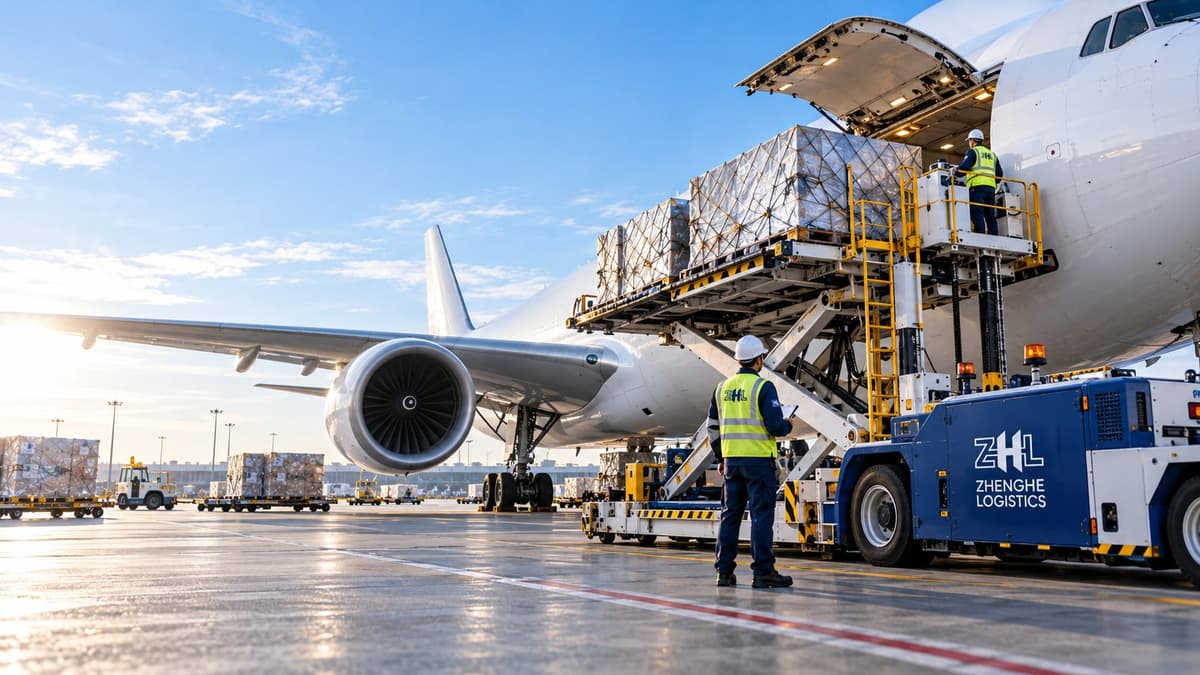
Air freight may be appropriate when speed is more important than ocean freight cost.
Zhenghe's air freight service supports express and economy uplift through Singapore Changi, with the option reviewed according to cargo profile, deadline and budget.
Air can be particularly relevant for:
Samples
Urgent spare parts
Production-critical components
Smaller high-value shipments
Time-sensitive stock
However, customs clearance and final delivery still need to be considered after the flight arrives.
What Affects Shipping Costs From Singapore to Indonesia?
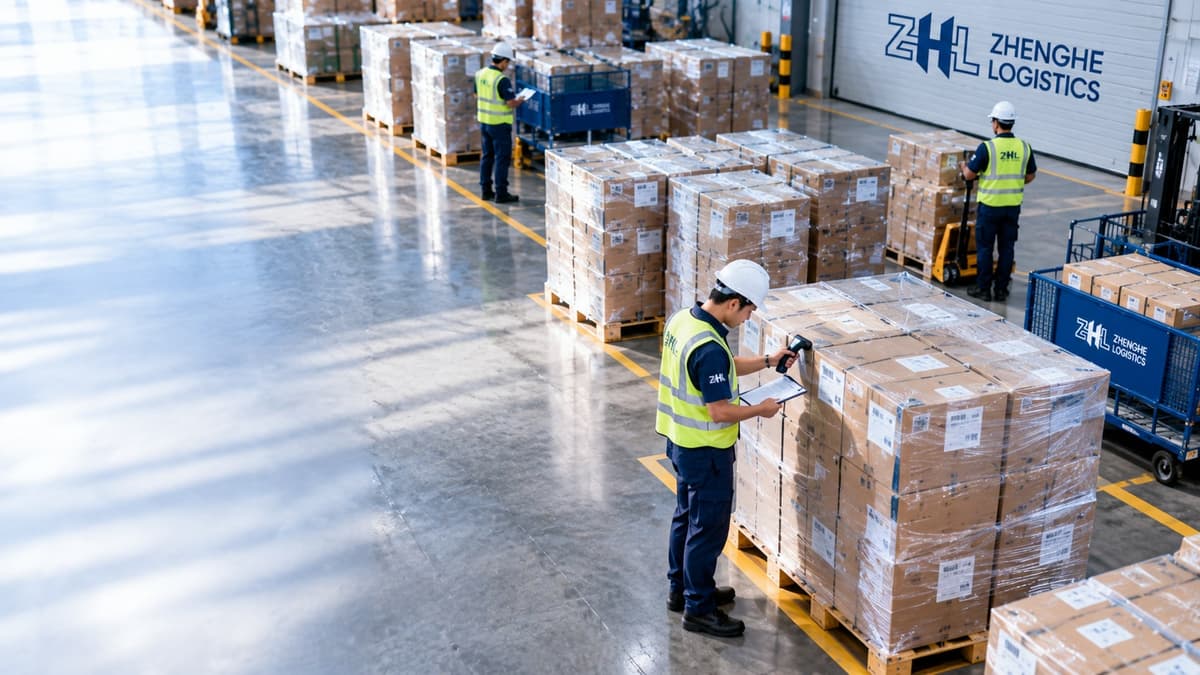
There is no fixed price for commercial freight between Singapore and Indonesia.
The cost depends on the actual movement.
1. Destination
Shipping to Jakarta is not priced the same way as shipping to Surabaya, Medan or another Indonesian destination.
Different destinations can involve different:
Carriers
Port charges
Schedules
Partner arrangements
Domestic delivery requirements
Always give your freight forwarder the final destination, not simply “Indonesia”.
2. FCL or LCL
For smaller sea shipments, LCL allows businesses to pay for shared container capacity.
For larger cargo volumes, FCL may become more cost-effective.
Businesses should compare the total shipment cost, including origin and destination handling, rather than looking only at the ocean freight rate.
3. Cargo Volume and Weight
For LCL shipments, dimensions and total volume are particularly important.
Provide the packed:
Length
Width
Height
Number of cartons or pallets
Gross weight
Incorrect dimensions can cause the quotation to change once the cargo is physically received.
4. Air Freight Chargeable Weight
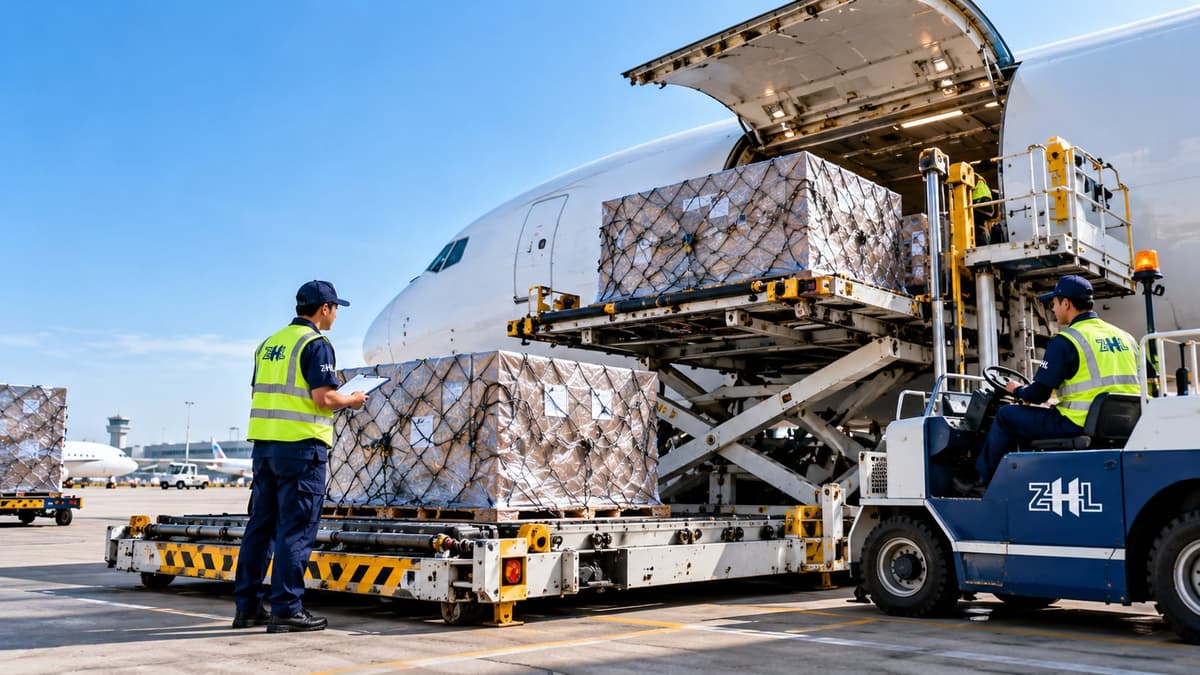
Air freight considers both actual cargo weight and the space occupied by the shipment.
Large but lightweight cartons can therefore cost more than expected because volumetric weight may affect the chargeable weight.
5. Origin Handling in Singapore
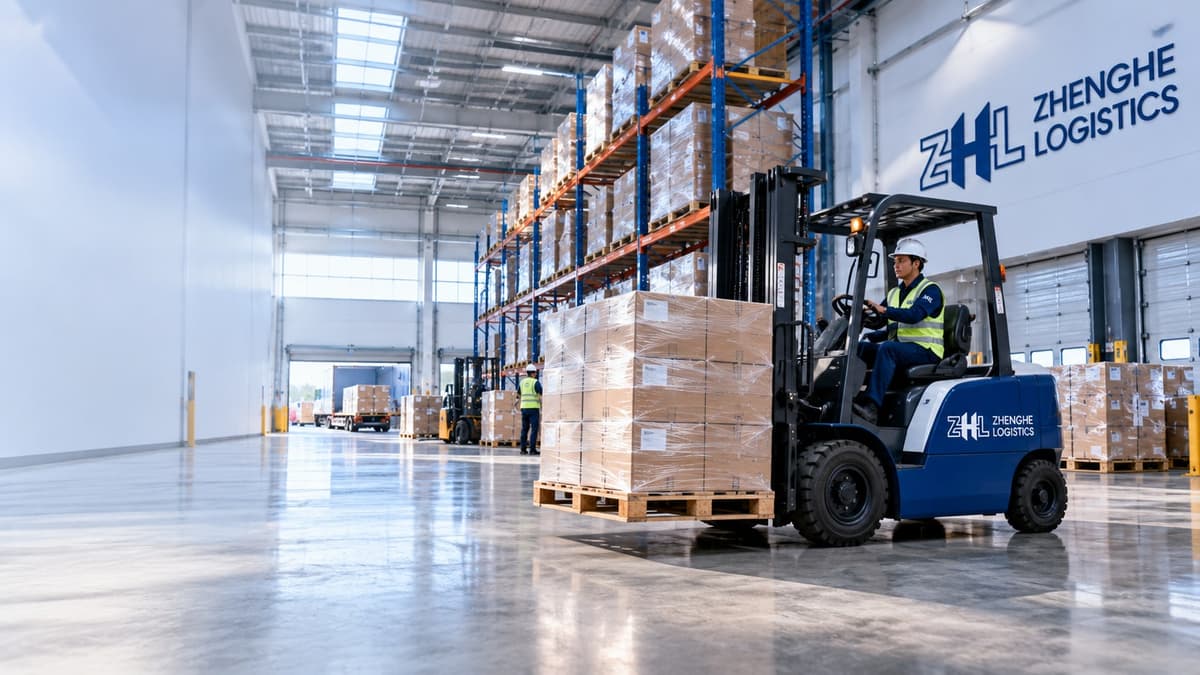
Depending on the shipment, the Singapore side may involve:
Collection
Warehouse receiving
CFS handling
Consolidation
Documentation
Customs coordination
Port or airport handover
Zhenghe operates a 3,400 sqft Woodlands warehouse supporting storage, consolidation, deconsolidation, cross-docking and freight handling where required.
6. Indonesia Destination Charges
Businesses should also understand what happens after the cargo arrives.
Costs may involve:
Port or terminal handling
Deconsolidation
Customs clearance
Duties and taxes
Storage
Local transportation
Final delivery
A low Singapore freight rate does not automatically mean the lowest landed logistics cost.
7. Customs and Documentation Requirements
Shipping between Singapore and Indonesia requires commercial and transport documentation to be aligned correctly.
Common documents may include:
Commercial invoice
Packing list
Bill of Lading or Air Waybill
HS code information
Customs permits or references
Certificate of Origin where applicable
Zhenghe's customs service supports document checks and customs coordination across Singapore and Indonesia, including commercial invoices, packing lists, transport documents, HS codes, permits and certificates of origin.
Can Singapore Exports Receive Preferential Tariffs in Indonesia?
Potentially, but eligibility depends on the origin of the goods and the applicable ASEAN rules.
Singapore and Indonesia participate in the ASEAN Trade in Goods Agreement (ATIGA).
For qualifying Singapore-origin goods, an ATIGA e-Form D can be electronically transmitted through the ASEAN Single Window to support a claim for preferential tariff treatment in Indonesia.
Singapore Customs states that Indonesia is among the ASEAN member states receiving ATIGA e-Form D electronically, and all ASEAN member states have implemented full electronic transmission since 1 January 2024.
However, businesses should not assume that a product automatically qualifies just because it is shipped from Singapore.
The goods must meet the applicable rules of origin and other requirements.
Goods manufactured elsewhere and merely transhipped through Singapore do not automatically become Singapore-origin goods.
What Documents Should You Prepare Before Shipping to Indonesia?
Before requesting a freight quote, businesses should prepare the basic commercial and cargo information first.
Commercial Invoice
Include clear information on:
Seller
Buyer
Goods description
Quantity
Unit and total value
Currency
Country of origin
Incoterm where relevant
Avoid vague product descriptions such as “parts” or “products”.
Packing List
Include:
Number of packages
Contents
Dimensions
Gross weight
Net weight where applicable
Shipping marks
Bill of Lading or Air Waybill Information
Your freight forwarder will need accurate:
Shipper details
Consignee details
Notify party where relevant
Cargo description
Shipping instructions
HS Code
The HS classification can affect Indonesian customs requirements, tariff treatment and whether additional approvals are needed.
Zhenghe's regional forwarding workflow also asks for the destination, cargo readiness date, dimensions, commodity and receiving requirements before routing is confirmed.
Common Mistakes When Shipping From Singapore to Indonesia
Quoting Only “Singapore to Indonesia”
Indonesia is too large for this to be a complete route.
Specify the city, port or final delivery address.
Comparing Only the Ocean Freight Rate
Ask about origin charges, destination charges, clearance and final delivery.
Assuming Transit Time Means Door-to-Door Time
A two-day vessel movement does not mean the customer receives the cargo in two days.
Build in documentation, cutoff, customs and delivery time.
Using the Wrong HS Code
An incorrect classification can affect customs processing and tariff treatment.
Sending Cargo Before Documents Are Ready
Do not wait until the goods reach the warehouse or port to start checking the commercial documents.
Assuming Form D Applies to Every Shipment
Preferential tariff treatment depends on applicable origin rules.
Shipping goods from Singapore alone does not automatically make them Singapore-origin.
How Zhenghe Logistics Supports Singapore–Indonesia Shipping
Zhenghe Logistics provides freight support from Singapore across sea freight, air freight, regional forwarding, warehousing and customs documentation.
For regional sea movements, the operations team reviews:
Destination
Cargo readiness date
Dimensions
Commodity
Routing options
Space
Cutoffs
Partner coverage
Documentation requirements
before committing to a route.
For shipments requiring document support, Zhenghe also coordinates customs and freight documentation across Singapore and Indonesia.
Its wider Singapore operation includes a Woodlands warehouse and freight desk capable of coordinating the different cargo handoffs before the shipment moves onward.
For businesses handling halal-sensitive cargo, Zhenghe's transportation services are also certified under Halal Indonesia by BPJPH, certificate ID00410081311441026.
Planning a Shipment From Singapore to Indonesia?
The best shipping option depends on more than how close the two countries are.
A useful freight plan should consider the exact Indonesian destination, shipment volume, urgency, customs requirements and what needs to happen after the cargo arrives.
Before requesting a quote, prepare your:
Origin
Indonesian destination
Cargo description
Dimensions
Gross weight
Cargo-ready date
Incoterm
Special handling requirements
Zhenghe Logistics can then review the available route and freight option before a booking commitment is made.
Start a Quote for your Singapore-to-Indonesia shipment, or Talk to Operations to review the route, timing and cargo requirements.
This guidance is indicative. Carrier space, cutoffs, handling requirements and destination conditions should be confirmed for each movement.