

For importers, warehousing in Singapore is not always about holding stock for months at a time.
Sometimes cargo arrives before the customer is ready. Sometimes several shipments need to be consolidated before onward delivery. In other cases, goods only need to stay in a warehouse for a few days while transport, documents or distribution arrangements are being finalised.
That is where short-term warehousing can be useful.
Instead of treating the warehouse as a long-term storage location, businesses can use it as a temporary operating point between inbound freight and the next stage of the supply chain.
The key is knowing when storage is actually needed, when cross-docking may be better, and what warehouse capabilities to look for before your cargo arrives.
Why Would an Importer Need Warehousing in Singapore?

Imported cargo does not always move directly from the port or airport to its final destination.
There can be several reasons why goods need to stop at a warehouse first.
For example:
The customer is not ready to receive the cargo
Several shipments need to be combined
A large shipment needs to be broken into smaller deliveries
Goods need to be sorted or labelled
Cargo is waiting for onward transport
Different SKUs need to be separated
Inventory needs to be counted before distribution
Import cargo is being prepared for regional re-export
In these situations, warehousing becomes part of the freight movement rather than a separate standalone activity.
Zhenghe Logistics currently operates a 3,400 sqft warehouse at Mega @ Woodlands, supporting storage, pick-and-pack, cross-docking, consolidation, deconsolidation and inventory handling for cargo moving through Singapore.
For importers, this can provide a practical operating base between arrival and final delivery.
When Does Short-Term Warehousing Make Sense?
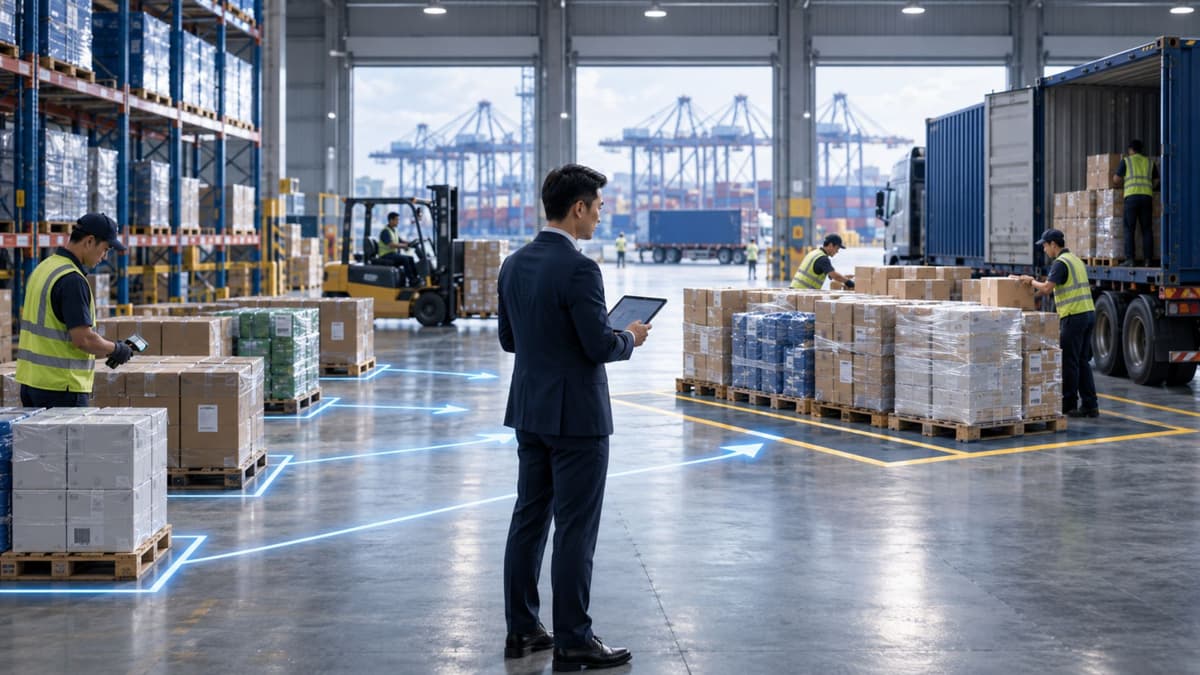
Cargo Arrives Before the Customer Is Ready
One common situation is simple timing mismatch.
Your shipment arrives in Singapore on Monday, but the customer or project site can only receive the goods on Thursday.
Instead of creating pressure to arrange immediate delivery, cargo can be received into a warehouse and released when the consignee is ready.
This can be useful when:
Delivery appointments are required
Construction or project sites have fixed receiving windows
Retail or commercial locations cannot receive goods immediately
Customers need more time to prepare storage space
Transport schedules do not align with the arrival date
Short-term storage can give operations teams more flexibility without forcing the cargo to remain at a terminal longer than necessary.
Consolidating Several Shipments
A business may receive goods from several suppliers before sending them onward as one movement.
For example, three suppliers could each send a few pallets into Singapore.
Instead of arranging three separate deliveries to the final destination, the warehouse can receive the cargo, hold it temporarily and consolidate the shipments before release.
This can simplify downstream transport and reduce the number of handovers the receiving party has to manage.
Zhenghe’s Woodlands facility specifically supports consolidation and deconsolidation before sea or road movements.
Breaking Bulk Cargo Into Smaller Deliveries
The opposite process can also be useful.
A large inbound shipment may arrive as one consignment, but your customers do not all need the goods at the same time.
The warehouse can receive the cargo, separate it according to delivery instructions and prepare smaller outbound movements.
For example:
One container arrives with 20 pallets
Five pallets go to Customer A
Eight go to Customer B
The remaining stock stays temporarily for later release
This can be more practical than trying to coordinate every delivery directly from the port or terminal.
Waiting for Onward Transport
Cargo may also need temporary storage while the next transport leg is being arranged.
This can happen when goods arrive by sea or air but later need to continue by:
Road freight
Regional sea freight
Local delivery
Export movement
Cross-border trucking
Short-term storage provides a controlled point where the cargo can wait while the next movement is confirmed.
Zhenghe’s broader service network includes sea freight, air freight, Singapore-Malaysia trucking, regional sea forwarding, customs and warehousing, allowing storage to sit between different freight stages when needed.
Managing Regional Distribution

Singapore is often used as a logistics point for cargo moving onward into Southeast Asia.
Instead of shipping every order individually from the original supplier, businesses may bring stock into Singapore, hold it temporarily and then release smaller quantities according to regional demand.
This can support:
More flexible replenishment
Shorter response times for regional customers
Consolidation before export
Easier handling of multiple destinations
Better control over inventory movement
The warehouse becomes part of the regional distribution process rather than simply a place to store goods.
Short-Term Storage vs Long-Term Warehousing
Not every business needs a long-term warehouse contract.
The main difference comes down to how the space is being used.
Short-Term Warehousing
Short-term warehousing is generally operational.
Cargo comes in because it needs to wait, be handled, sorted or prepared for the next movement.
Common uses include:
A few days of storage
Temporary inventory holding
Consolidation
Deconsolidation
Pick-and-pack
Cross-docking
Labelling
Waiting for transport or customer instructions
Long-Term Warehousing
Long-term warehousing is more inventory-driven.
The goods may remain in storage for weeks or months and require more extensive stock management.
A business planning continuous inventory storage may need to consider:
Storage capacity
Inventory systems
Stock rotation
Long-term handling rates
Fulfilment requirements
Regular inbound and outbound activity
Before choosing a warehouse, explain how long you expect the goods to remain there and what needs to happen while they are stored.
That helps the warehouse determine whether the requirement fits its operation.
What Is Cross-Docking?
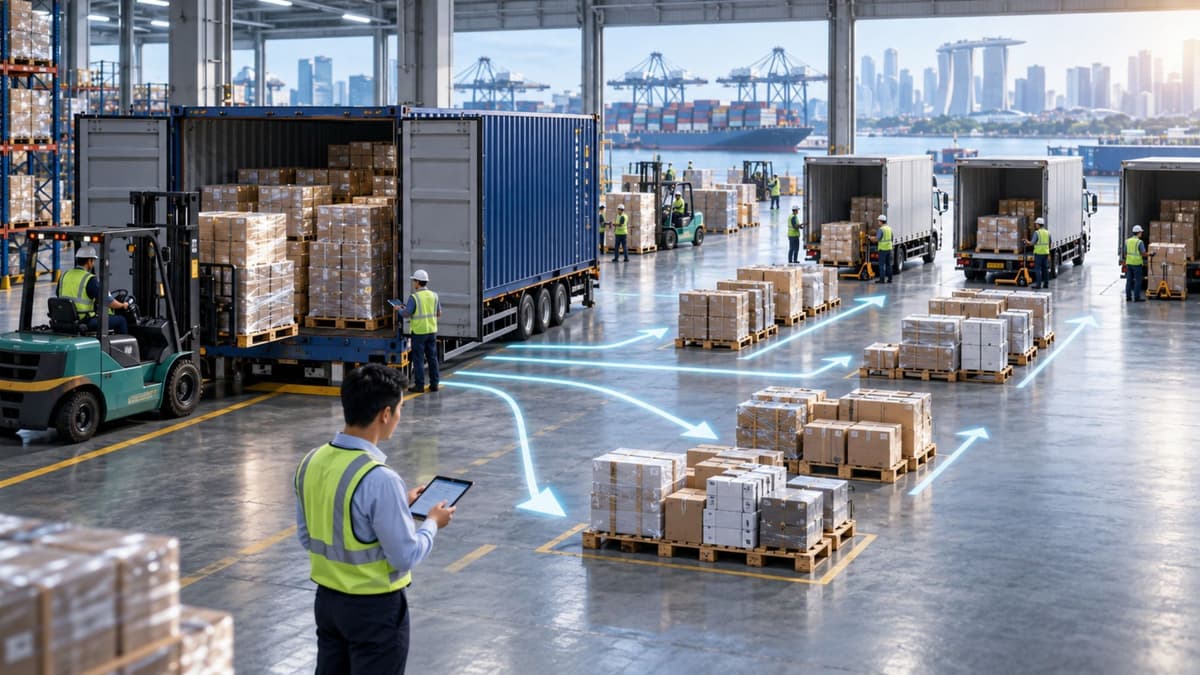
Cross-docking is a logistics process where cargo is received at a warehouse and moved onward relatively quickly rather than being stored for an extended period.
The warehouse acts as a transfer point.
For example:
Inbound truck → warehouse receiving → sorting → outbound truck
rather than:
Inbound truck → storage for several weeks → outbound delivery
Zhenghe currently supports cross-docking at its Woodlands facility, including receiving, sorting and releasing cargo for onward movement when inbound timing, documentation and outbound capacity are aligned.
When Can Cross-Docking Reduce Storage Time?
Cross-docking may make sense when:
The final delivery is already planned
Outbound transport is available soon after arrival
Cargo does not need long-term storage
Goods only need to be sorted or consolidated
Several inbound shipments need to be combined quickly
A shipment needs to change transport modes
If the cargo is already allocated to a customer and only needs a short handover point, cross-docking may be more efficient than putting it into storage and removing it again later.
However, timing matters.
The warehouse needs visibility of:
Inbound arrival
Cargo quantity
Documentation
Outbound instructions
Available transport
Any handling requirements
Poor coordination can turn a planned cross-dock into unintended storage.
Cross-Docking vs Traditional Warehousing
The main difference is the amount of time the cargo remains in the facility.
Cross-docking focuses on moving goods through.
Warehousing focuses on holding goods until they are needed.
Cross-docking is typically suitable when:
The next destination is already known
Cargo needs minimal processing
Outbound transport is ready
Storage time should be minimised
Traditional warehousing makes more sense when:
The customer is not ready
Inventory needs to remain available
Goods will be released in stages
Additional handling is required
The outbound plan has not been finalised
Neither option is automatically better.
The right choice depends on your cargo flow.
What Warehousing Services Should Importers Look For?
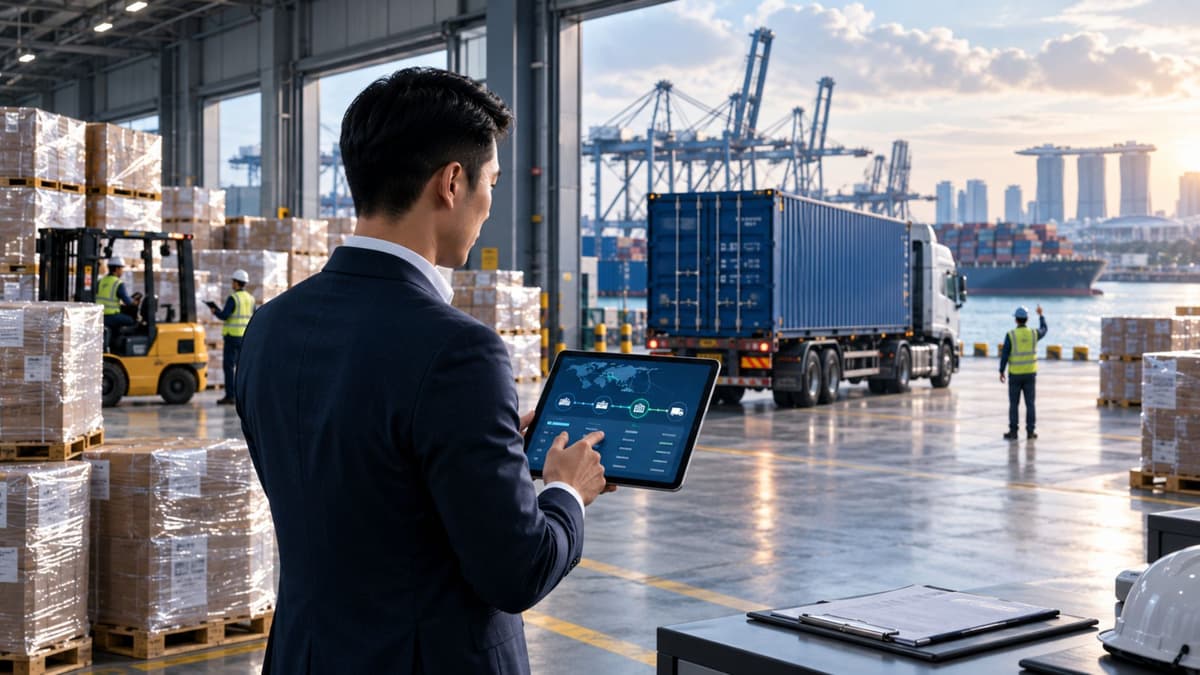
A useful warehouse should be able to support more than simply placing pallets on the floor.
Receiving and Cargo Checks
The warehouse should have a clear process for receiving goods and checking what actually arrives.
This can include:
Counting cartons or pallets
Checking cargo against receiving instructions
Identifying visible discrepancies
Staging cargo correctly
Reporting exceptions
Zhenghe’s warehouse workflow includes receiving, counting and staging cargo, with exceptions reported when identified.
Pick-and-Pack
If goods need to be separated into smaller orders, pick-and-pack capability becomes important.
This can support businesses that need to:
Split inbound inventory
Prepare customer-specific orders
Repack cargo
Separate SKUs
Prepare smaller outbound consignments
Inventory Handling
Even for short-term storage, businesses still need visibility over what has been received and what has been released.
Provide clear inventory or SKU instructions where necessary.
Zhenghe lists inventory handling as part of its Woodlands warehouse service for regional distribution activity.
Labelling and Consolidation
Cargo may require additional preparation before it leaves the warehouse.
Depending on the movement, this can include:
Labelling
Sorting
Consolidation
Deconsolidation
Repacking
Staging for collection
Discuss these requirements before cargo arrives so the warehouse can plan the work properly.
Freight Documentation Support
Warehousing and freight documentation are closely connected.
Common warehouse-related documents may include:
Inbound delivery order
Warehouse receiving note
Commercial invoice
Packing list
Inventory or SKU instructions
Release order
Consignee delivery details
Zhenghe’s warehouse operation also supports document and permit review before cargo is accepted where relevant.
What Affects Warehousing Costs in Singapore?
There is no single warehouse price because the cost depends on what the cargo actually needs.
Factors can include:
Number of pallets
Cargo dimensions
Cargo weight
Storage duration
Receiving requirements
Pick-and-pack activity
Labelling
Consolidation or deconsolidation
Cross-docking
Number of inbound and outbound movements
Special handling
Delivery requirements
For example, ten pallets stored untouched for three days are operationally different from ten pallets that need to be opened, sorted into SKUs, relabelled and released across five separate deliveries.
When asking for a warehouse quotation, describe both the storage requirement and the handling requirement.
Common Warehousing Mistakes Importers Should Avoid
Sending Cargo Without Confirming Space
Do not assume a warehouse can accept the shipment simply because it handled your previous cargo.
Confirm the inbound schedule, volume and expected storage period first.
Providing Incomplete Cargo Information
Tell the warehouse:
Number of pallets
Carton quantity
Dimensions
Weight
Commodity
Storage duration
Handling instructions
This helps the team prepare the correct receiving space.
Not Giving Clear Release Instructions
Cargo should only leave the warehouse against approved instructions.
Make sure the warehouse knows:
What is being released
Quantity
Consignee
Delivery address
Collection party
Required date
Treating the Warehouse as an Unlimited Buffer
Temporary storage should still have a plan.
If cargo remains much longer than expected, it can affect costs, space planning and future operations.
Booking Transport Too Late
If the cargo needs to leave the warehouse quickly, arrange the onward movement early.
Otherwise, a short-term storage plan may turn into a longer stay.
What Information Should You Give a Warehouse Before Cargo Arrives?

Before arranging warehousing in Singapore, provide as much of the following as possible:
Inbound date
Cargo origin
Number of cartons or pallets
Dimensions
Gross weight
Commodity
Storage duration
SKU details if relevant
Handling requirements
Labelling instructions
Expected release date
Outbound destination
Delivery or collection instructions
Supporting documents
For a freight-related enquiry with Zhenghe, its freight desk also recommends providing the route, ready date, dimensions, gross weight, commodity and any special handling requirements so the team can review the movement properly.
The earlier the warehouse receives this information, the easier it is to plan the receiving and release process.
How Zhenghe Logistics Supports Warehousing in Singapore
Zhenghe Logistics operates a 3,400 sqft warehouse at 39 Woodlands Close, Mega @ Woodlands, providing an operating point for cargo moving through Singapore.
Its current warehousing scope includes:
Short-term storage
Pick-and-pack
Inventory handling
Cross-docking
Consolidation
Deconsolidation
CFS activity
Labelling
Freight documentation support
The workflow begins by confirming the inbound schedule, cargo profile, storage needs and handling instructions.
Cargo is then received, counted and staged before any required pick-pack, cross-dock, labelling or consolidation work is carried out. Release is coordinated against approved instructions and aligned with the next transport or export movement.
Because Zhenghe also provides sea freight, air freight, trucking, customs and regional forwarding services, warehousing can be integrated into a wider cargo movement when required.
This guidance is indicative. Carrier space, cutoffs, handling requirements and destination conditions should be confirmed for each movement.