
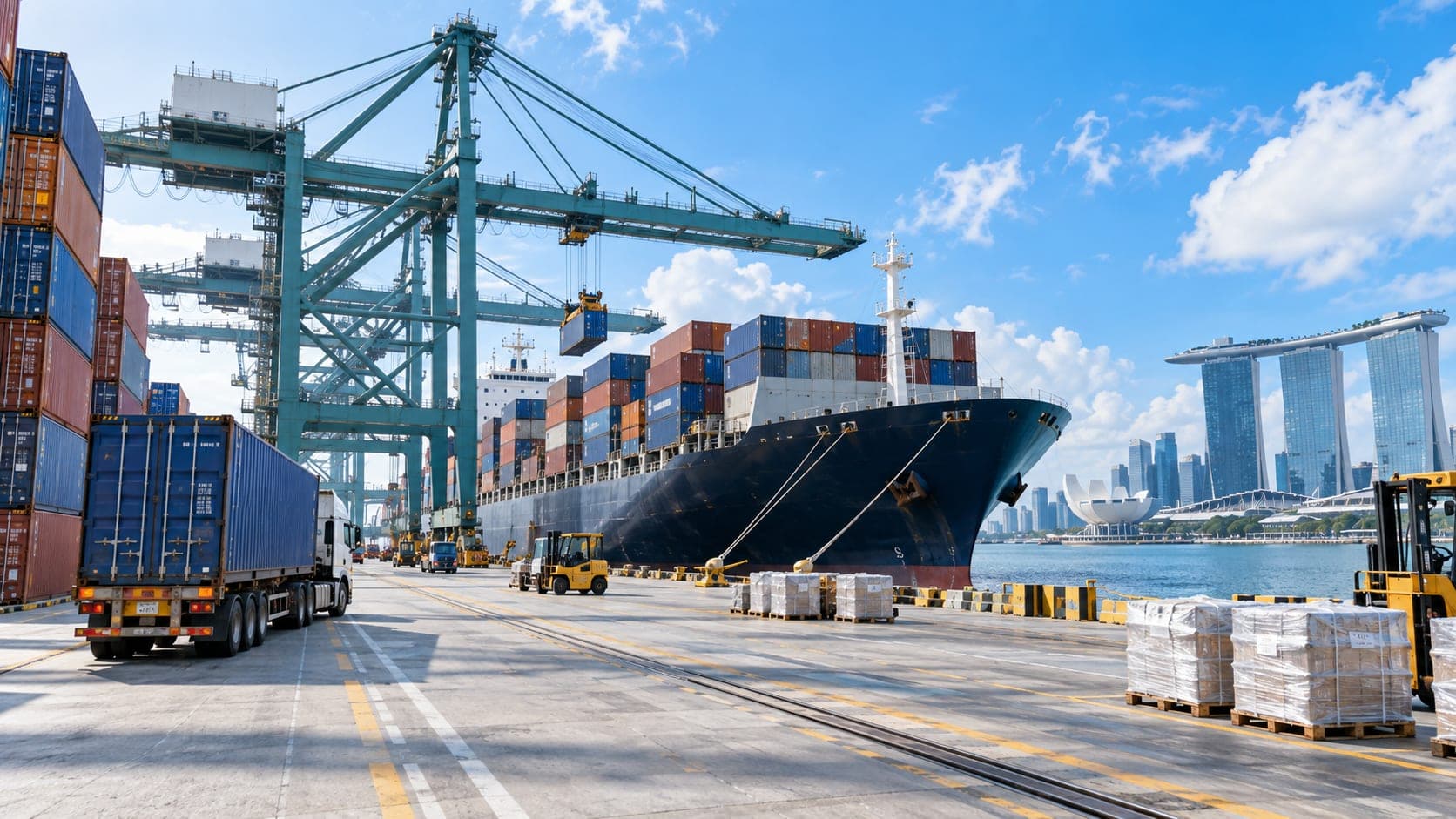
When businesses ask about sea freight cost in Singapore, the first question is often: “How much does it cost to ship a container?”
There is no single answer.
Two shipments going to the same destination can receive different quotations because sea freight pricing depends on the cargo volume, container type, origin and destination, handling requirements, sailing schedule and the other services required before and after the ocean journey.
This is also why comparing only the headline ocean freight rate can be misleading. A lower rate may not include the same origin handling, documentation, destination charges or delivery requirements as another quotation.
Understanding what goes into a sea freight quote makes it easier to compare your options and avoid unexpected costs later.
How Is Sea Freight Priced in Singapore?
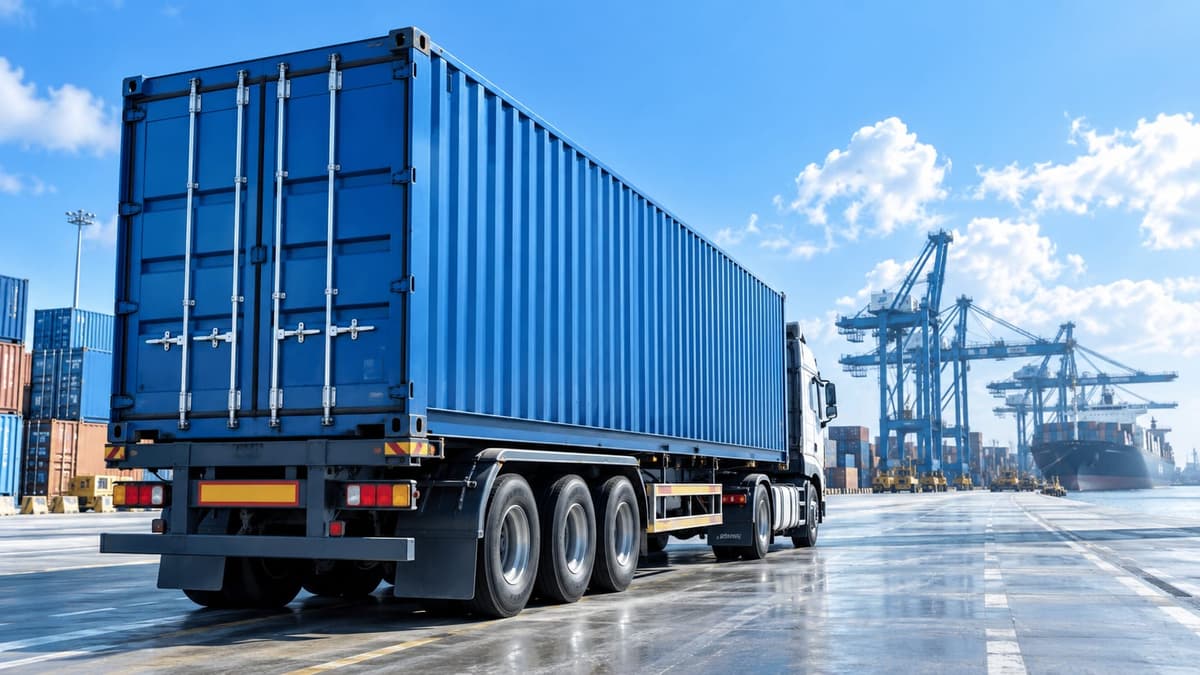
Sea freight pricing depends first on whether your cargo moves as:
FCL — Full Container Load
LCL — Less than Container Load
Consolidated cargo
With FCL, your business uses a dedicated container.
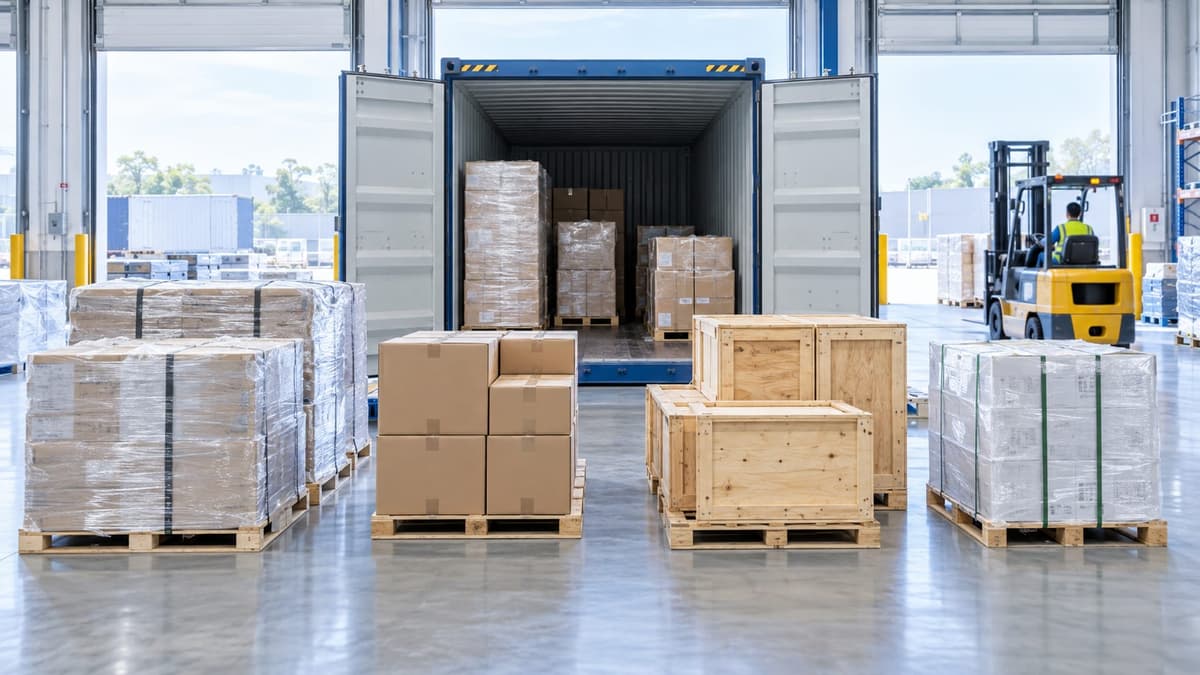
With LCL, your cargo shares container space with shipments belonging to other businesses.
Zhenghe Logistics currently handles FCL, LCL and consolidation shipments from Singapore, matching the shipping method according to factors such as cargo weight, volume and deadline.
The way each option is priced is different, so identifying the right shipping method is usually the first step towards understanding the expected cost.
FCL vs LCL: How Does the Pricing Differ?
FCL Pricing
With FCL, you are paying for the use of an entire container rather than only the amount of space occupied by your cargo.
Common container options include 20-foot and 40-foot containers, although the correct equipment depends on the shipment.
The quotation may be influenced by:
Container type and size
Origin port
Destination port
Carrier and sailing
Container availability
Commodity
Cargo weight
Pickup requirements
Destination delivery
Additional handling requirements
You do not necessarily need to fill every available space in the container to use FCL.
For larger shipments, a dedicated container can sometimes be commercially more sensible than continuing to pay LCL charges as cargo volume increases.
LCL Pricing
With LCL, businesses pay for shared container capacity.
This makes LCL useful when the shipment is too small to justify using a full container.
Pricing can be influenced by:
Cargo volume
Cargo weight
Number of packages
Origin CFS handling
Consolidation
Destination handling
Documentation
Collection and delivery requirements
LCL shipments also require cargo to be consolidated before departure and deconsolidated at the destination.
This means businesses should compare the total LCL cost, rather than looking only at the freight portion.
What Factors Affect Sea Freight Cost in Singapore?
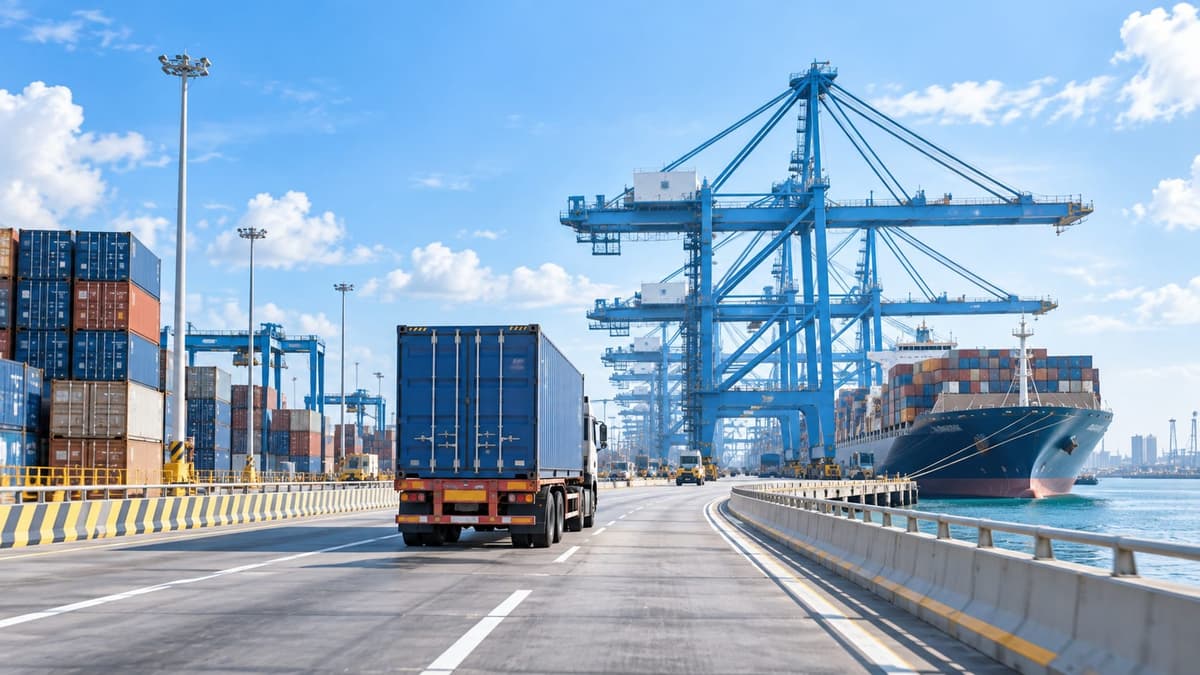
1. Origin and Destination
Where the cargo is coming from and where it needs to go will have a major impact on the quotation.
Different routes have different:
Carrier options
Sailing frequencies
Port charges
Capacity conditions
Transhipment requirements
Destination handling arrangements
A major trade lane with regular sailings may have very different pricing from a destination with limited services or additional transhipment.
This is why asking “How much is sea freight from Singapore?” does not provide enough information for an accurate quote.
The freight forwarder needs the actual destination.
2. Cargo Volume
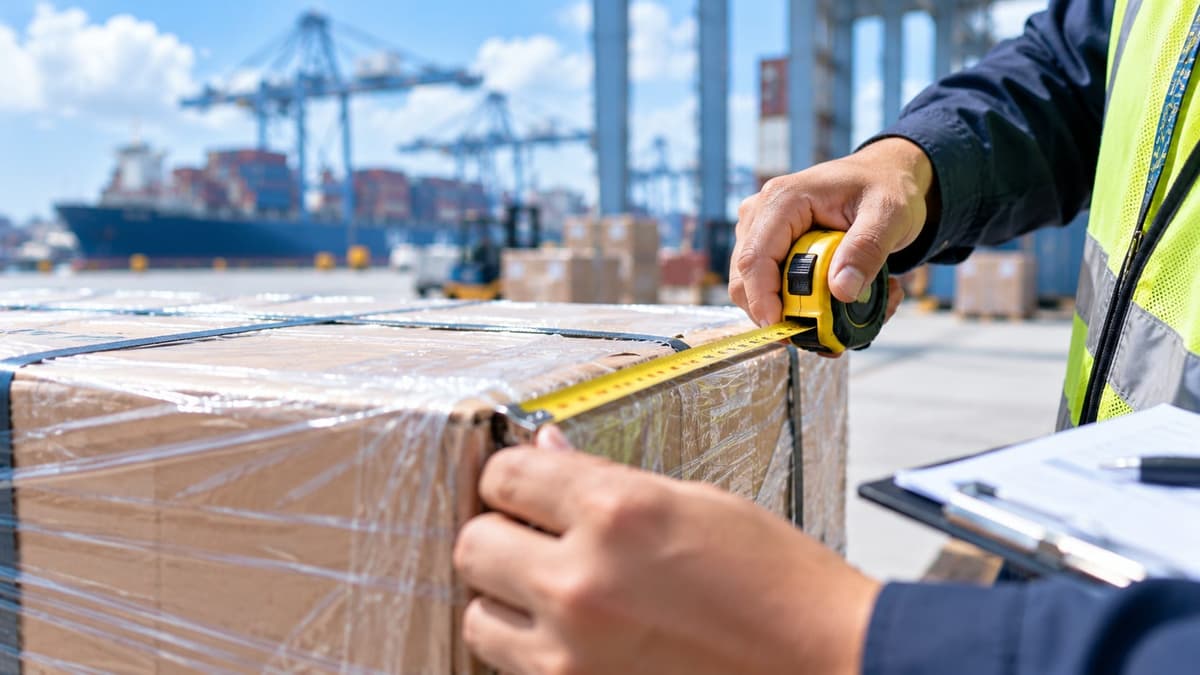
Volume is especially important for LCL shipments.
Your freight forwarder will normally need cargo dimensions to determine how much container space the shipment requires.
Provide the dimensions after the cargo has been packed or palletised.
For example, if you have five pallets, provide:
Length of each pallet
Width
Height
Number of pallets
Total gross weight
Incorrect dimensions can result in a quotation being revised once the actual cargo is received.
For shipments that are growing in size, it is also worth comparing LCL against FCL.
Zhenghe's own freight guidance suggests that around 12–15 CBM, businesses should at least compare an FCL option before confirming LCL. The actual breakpoint still depends on factors such as the destination, commodity, stackability and delivery timing.
3. Cargo Weight
Weight matters alongside volume.
Heavy cargo can affect:
Container loading
Transport requirements
Handling
Equipment selection
Carrier acceptance
Always provide the gross shipment weight, not simply the weight of the product before packaging.
For palletised goods, include the weight of the pallet and packaging.
4. Container Type
For FCL shipments, different container types and sizes can have different pricing.
Standard containers may be appropriate for many general cargo shipments, while other cargo may require specialised equipment.
For example, unusual cargo dimensions or handling requirements may affect the equipment needed and therefore the quotation.
Do not automatically request a particular container simply because it was used for your previous shipment.
Let the freight forwarder review the updated volume, weight and cargo dimensions.
5. Carrier and Sailing Availability
Sea freight rates are also affected by available carrier space and sailing schedules.
The cheapest sailing on paper may not necessarily work if:
The cutoff is too early
Space is unavailable
The sailing does not meet your required timeline
Additional transhipment is involved
The route creates problems at the destination
Zhenghe's current sea freight process includes reviewing routing, cargo constraints, cutoffs and documentation before a booking is committed.
When comparing quotations, consider whether the proposed sailing actually meets your operational requirements.
6. Origin Handling Charges
Your shipment may require several services before it even reaches the vessel.
Depending on the movement, these can include:
Cargo collection
Warehouse receiving
CFS handling
Container loading
Export documentation
Customs-related services
Transport to the port
Terminal-related handling
For LCL shipments in particular, CFS and consolidation activities form part of the cargo journey.
Zhenghe's sea freight service includes origin receiving and Singapore CFS handling for relevant shipments.
Ask whether these activities are already included in the quotation.
7. Destination Charges
One of the biggest mistakes businesses make is focusing only on charges in Singapore.
Cargo will also need to be handled at its destination.
Depending on the shipment, destination costs may include:
Port or terminal handling
CFS handling for LCL cargo
Documentation
Customs-related services
Storage
Delivery
Additional handling
These costs can vary considerably between destinations.
A sea freight quotation that appears cheaper at origin may not necessarily produce the lowest overall logistics cost.
When comparing providers, ask:
“What costs should we expect at destination?”
This gives you a clearer picture of the total shipment.
8. Customs and Documentation

Sea freight involves documentation that must align with the actual movement of goods.
Depending on the shipment, documents can include:
Commercial invoice
Packing list
Bill of Lading
Customs permit
Certificate of Origin
Commodity-related permits or licences
Documentation work may form part of the freight quotation or be charged separately depending on the service arrangement. Our guide to customs clearance in Singapore covers permits and declarations in more detail.
Incorrect information can also create additional work or delays.
Provide accurate shipper, consignee, commodity, quantity and Incoterm information when requesting the shipment.
9. Pickup and Final Delivery
A port-to-port quotation is different from a door-to-door quotation.
If the freight forwarder is also arranging cargo collection or final delivery, transport costs need to be included.
For example, your shipment might require:
Supplier → warehouse → port → vessel → destination port → consignee
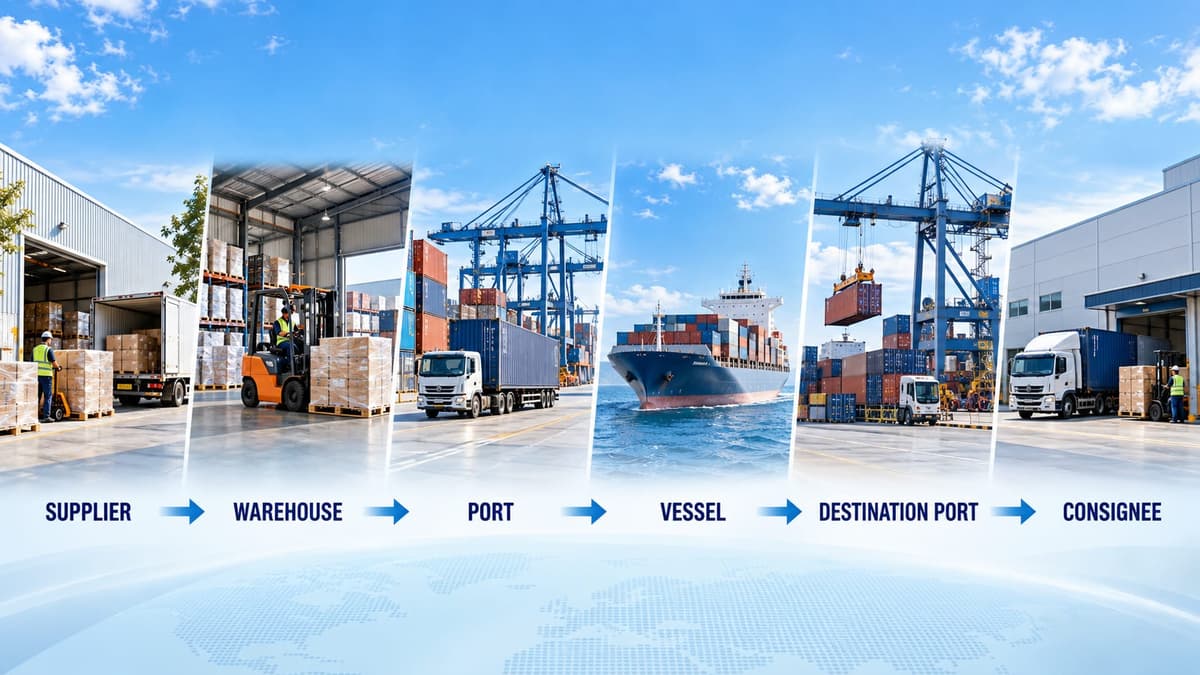
rather than simply:
Port → port
When requesting a quote, clearly state which parts of the journey you need the forwarder to manage.
10. Cargo Type and Special Handling
The type of cargo can also affect pricing.
Certain shipments may require:
Additional documentation
Special packaging
Non-standard handling
Special equipment
Additional carrier approval
Businesses should give the forwarder a clear and accurate commodity description from the beginning.
Avoid vague descriptions such as:
General goods
Items
Parts
Products
A more specific description makes it easier for the operations team to assess the shipment correctly.
Why the Cheapest Sea Freight Quote May Not Be the Lowest Total Cost

Imagine you receive two quotations.
Forwarder A: Lower ocean freight rate.
Forwarder B: Slightly higher ocean freight rate.
Choosing Forwarder A might seem obvious.
But what if Forwarder A's quotation excludes several services that Forwarder B already included?
For example:
CFS handling
Documentation
Destination handling
Collection
Delivery
The cheaper freight rate could ultimately result in a higher total cost.
This is why businesses should compare quotations line by line.
Ask each freight forwarder:
What is included?
What is excluded?
Which charges are fixed?
Which charges may change?
What could create additional costs?
What charges should we expect at destination?
The goal is not necessarily to choose the cheapest freight provider.
The goal is to understand what you are paying for.
Why Do Sea Freight Rates Change?
Freight quotations are not always permanent.
Several conditions can change between one shipment and the next.
These may include:
Carrier capacity
Sailing schedules
Container availability
Route changes
Seasonal demand
Origin or destination conditions
Cargo details
Exchange-rate exposure
Additional handling requirements
This means the rate you received for a previous shipment should not automatically be treated as the current rate for your next movement.
Zhenghe's operational guidance similarly notes that carrier space, cutoffs, handling requirements and destination conditions need to be confirmed for individual movements.
For regular shipments, ask your freight forwarder to review each movement against the current cargo details and required schedule.
What Information Should You Prepare for an Accurate Sea Freight Quote?
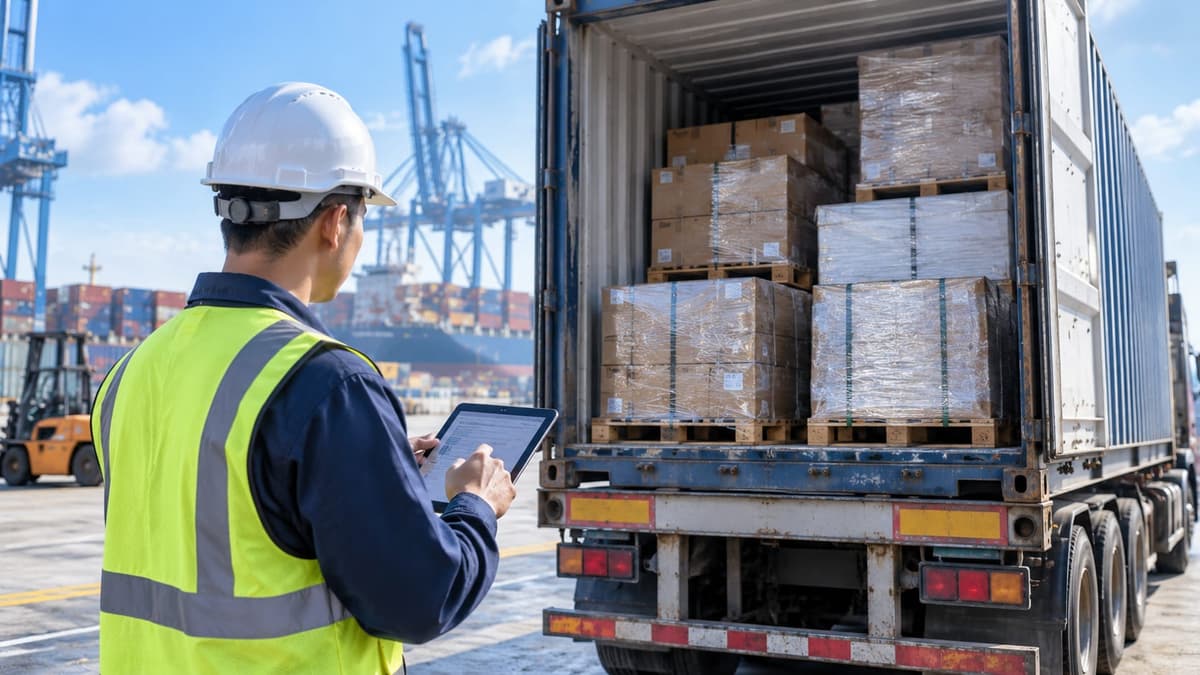
The more complete your shipment information is, the more useful the quotation can be.
Before contacting a sea freight forwarder in Singapore, prepare:
Origin
Where will the cargo be collected or delivered from?
Destination
Provide the destination port or final delivery location.
Cargo Description
Explain what you are shipping.
Number of Packages
How many cartons, pallets, crates or other packages?
Dimensions
Provide the packed:
Length
Width
Height
Gross Weight
Include packaging and pallets.
Total CBM
Provide it if known. Your forwarder can also calculate it from the dimensions.
Cargo-Ready Date
When will the goods actually be ready for collection or delivery?
Incoterm
If an Incoterm has already been agreed between the buyer and seller, include it.
Special Requirements
Tell the forwarder about:
Fragile cargo
Non-stackable cargo
Oversized goods
Controlled commodities
Special handling
Providing these details at the start can reduce unnecessary quotation revisions later.
Common Reasons a Sea Freight Quote Changes
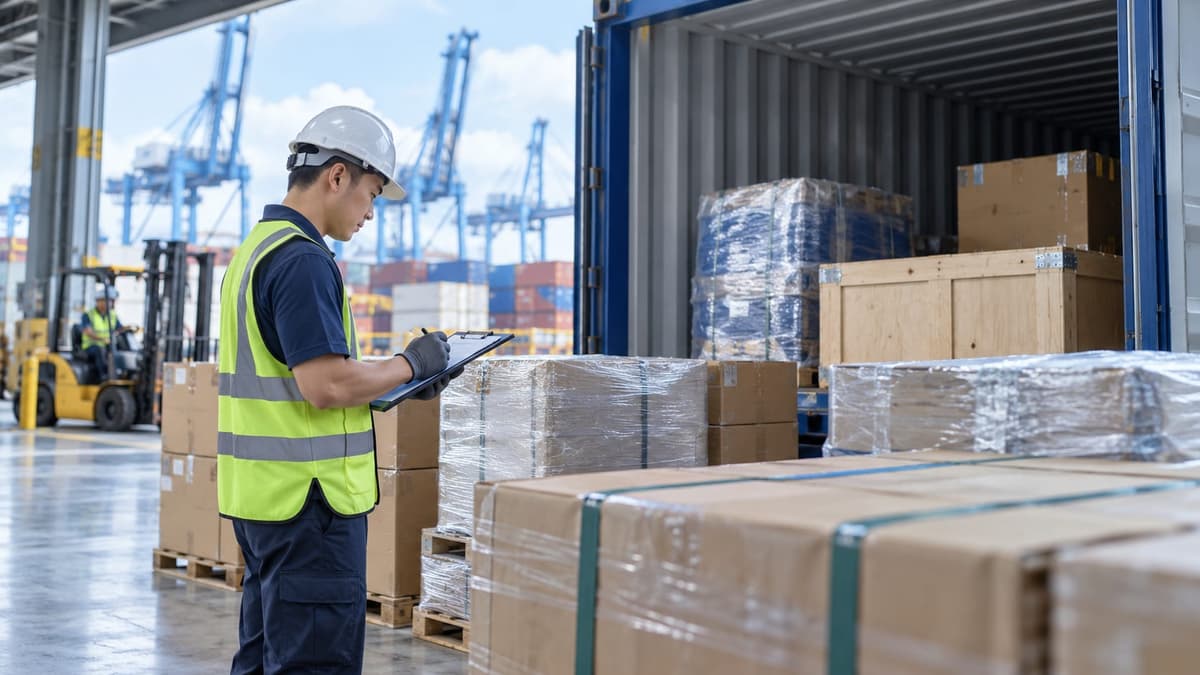
The Cargo Dimensions Changed
If the shipment was originally quoted at 5 CBM but the final packed cargo is 7 CBM, the cost may need to be recalculated.
The Cargo-Ready Date Changed
A different cargo-ready date may mean using a different sailing or carrier.
The Destination Changed
Even a change in final delivery location can affect destination transport costs.
Additional Services Were Added
Perhaps the original quote was port-to-port, but the business later requested warehouse collection and final delivery.
The scope is now different.
The Shipment Changed From LCL to FCL
As cargo volume increases, the forwarder may recommend comparing a dedicated container instead.
Zhenghe's existing FCL vs LCL shipping guide explains that the commercial choice depends on cargo volume, route, handling and total shipment cost rather than one universal volume rule.
Special Handling Was Not Initially Disclosed
Special cargo requirements can affect carrier selection, documentation and handling.
Provide these details before the quote is confirmed.
How Zhenghe Logistics Can Help With Sea Freight
Zhenghe Logistics provides sea freight services in Singapore for importers, exporters and regional freight teams.
Its current service covers:
FCL
LCL
Consolidation
Origin receiving
Singapore CFS handling
Carrier coordination
Route review
Documentation checks
Destination documentation support
The process begins by reviewing cargo details, target port, Incoterm and handling requirements before matching the shipment to FCL, LCL or consolidation based on its weight, volume and deadline.
Zhenghe also provides broader freight support across air freight, Singapore-Malaysia trucking, regional sea forwarding, warehousing, customs and project cargo.
For businesses comparing sea freight quotations, this means the discussion can go beyond the ocean rate and consider the other stages required to move the cargo.
This guidance is indicative. Carrier space, cutoffs, handling requirements and destination conditions should be confirmed for each movement.